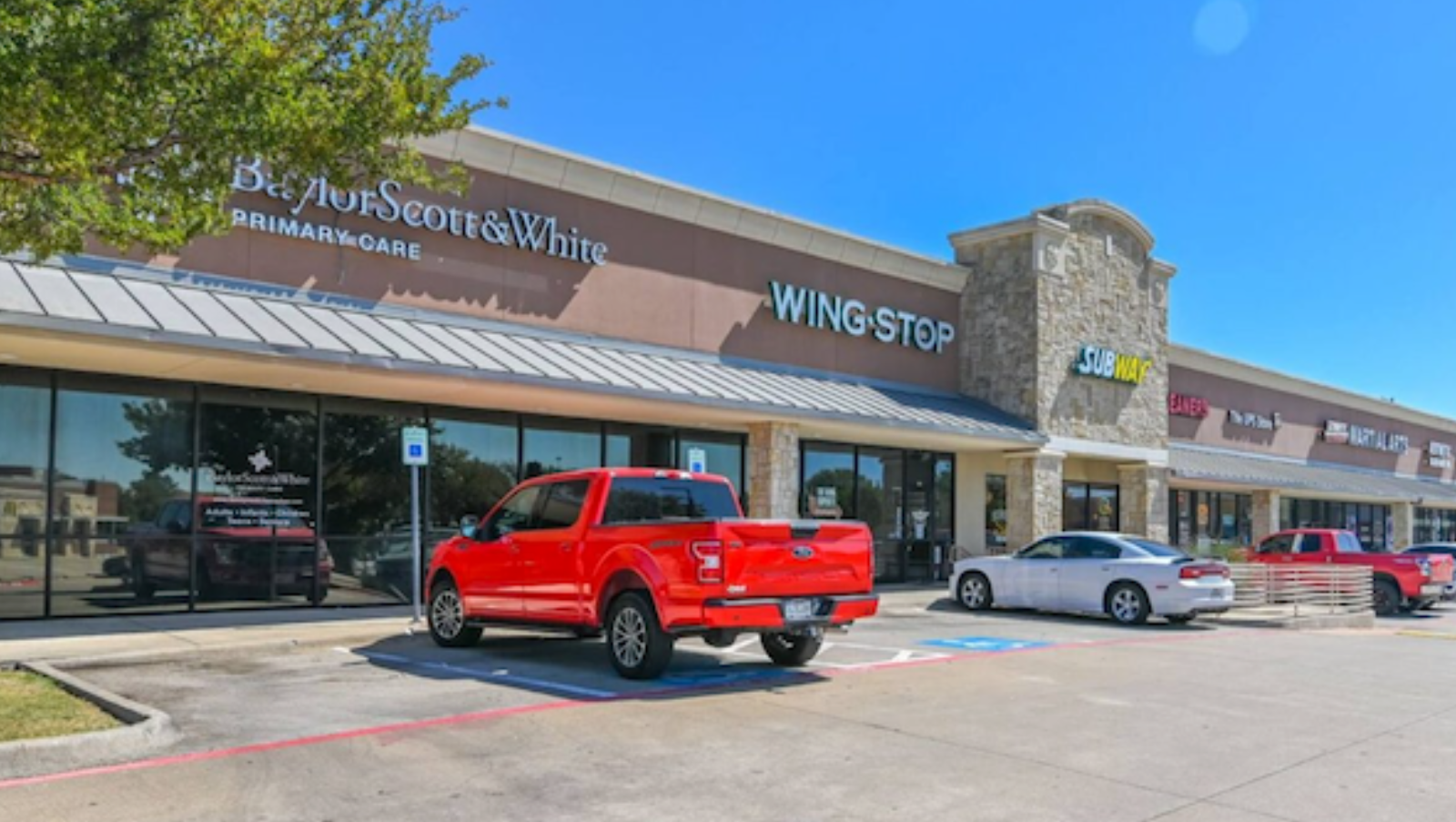

Following a subdued start to the year, the U.S. retail real estate sector regained traction in the second quarter of 2026 as tenant demand strengthened against a backdrop of constrained new development. Market reports from CBRE, Colliers, Cushman & Wakefield, JLL and Lee & Associates indicate that Q2 marked a reversal from the negative absorption seen in the first quarter, when several move-outs weighed on performance.
Retail demand improved in the second quarter as new leasing and expansions outpaced the vacancies created earlier in the year. Backfilling of previously vacated space played a key role in offsetting first-quarter softness, helping to stabilize overall occupancy levels. Certain categories also saw a seasonal lift from back-to-school spending, with clothing, sporting goods and school supplies among the segments reporting stronger sales activity during the period.
On the supply side, new retail construction remained limited in Q2. Elevated construction costs, together with ongoing financing challenges, continued to discourage speculative ground-up projects. Development is largely focused on build-to-suit formats and grocery-anchored centers, where pre-committed tenant demand provides greater income visibility and reduces risk for stakeholders.
Construction activity is most concentrated in Sunbelt markets, which continue to attract a disproportionate share of new retail projects. Even so, the overall pipeline remains modest by historical standards. This restricted pace of development is helping to keep vacancies in check and is supporting modest rent growth across much of the country.
Investor interest in retail assets remained firm through midyear. According to the research cited, U.S. retail investment sales volume reached $33,000,000,000 in the first half of 2026, representing a 14% increase over the same period in the prior year. The renewed momentum in trading activity is exerting upward pressure on pricing and contributing to cap-rate compression for well-positioned properties.
Looking ahead, the reports suggest retail construction is likely to stay subdued and concentrated in select Sunbelt metros, which should help keep vacancies low into 2027. Consumers are expected to remain value-focused, a dynamic that favors discount retailers, specialty concepts and off-price centers. Well-capitalized retailers and those with compelling value propositions are viewed as better positioned to navigate potential headwinds and shifting spending patterns.
With new supply limited, rent growth is expected to remain supported, particularly for landlords and tenants with strong balance sheets, operational flexibility and effective omnichannel strategies. On the capital markets side, investors are anticipated to remain active buyers, though constrained inventory may increasingly channel activity into off-market transactions and secondary markets as participants search for opportunities.