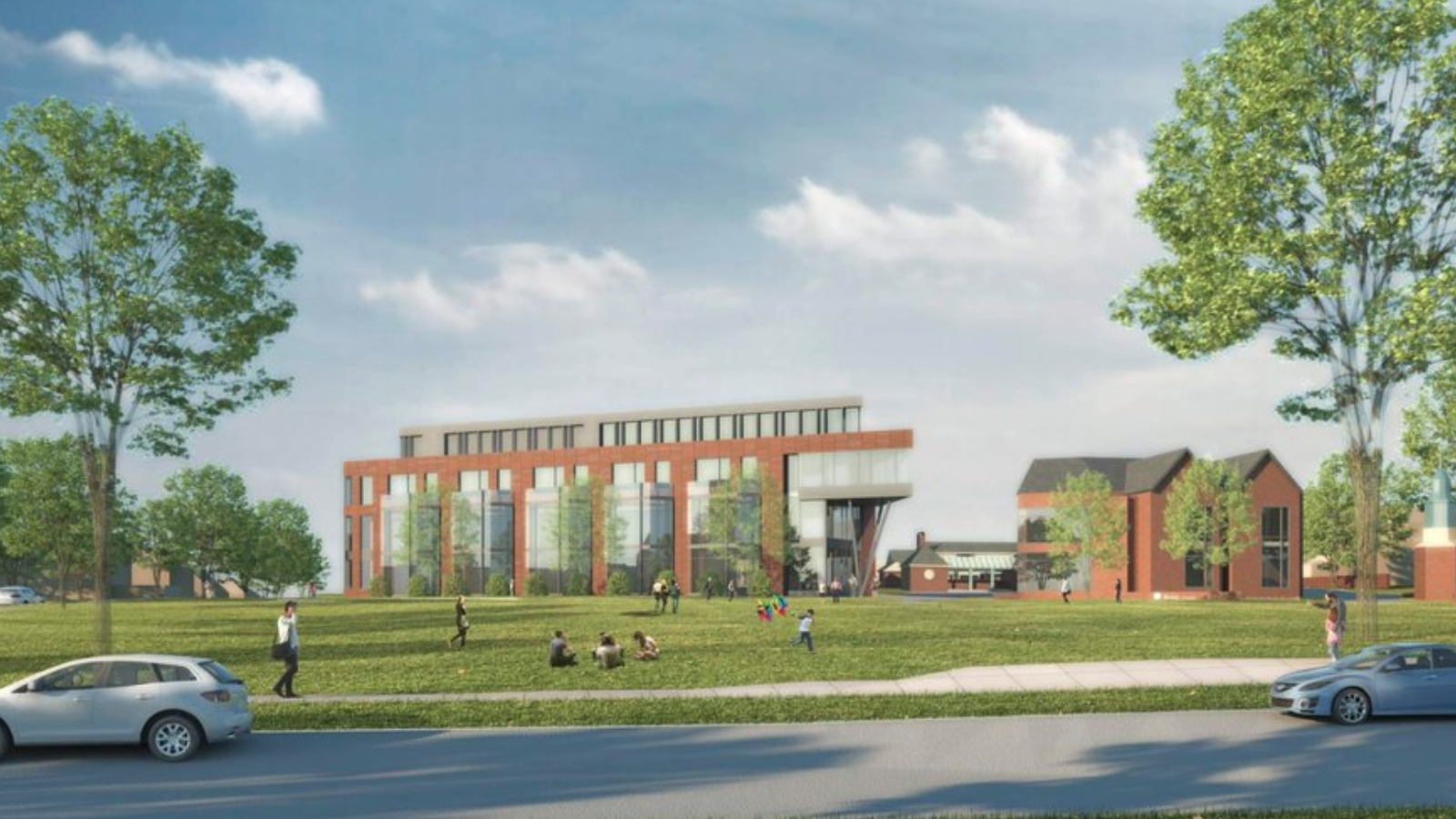
The River School, a private educational institution based in Washington, D.C., has acquired the historic Under Oak estate in Tenleytown with plans to develop a new campus on the site. The transaction involves a two-lot, 2.27-acre property at 4220 Nebraska Ave. NW, located one block south of American University’s Tenleytown campus.
According to reporting cited from the Washington Business Journal, the estate traded for $8.75 million. The property, long recognized for its gardens and for a 400-year-old oak tree that formerly stood on the grounds, had been under contract to The River School for six years prior to closing.
The River School currently operates its main campus at 4880 MacArthur Blvd. NW in Washington, D.C. The school was able to move forward with the acquisition after the D.C. Court of Appeals dismissed a challenge to its campus plans brought by the Tenleytown Preservation Association. That legal outcome cleared a key hurdle tied to the institution’s long-term intentions for the Under Oak site.
The Tenleytown estate was owned by the late Ruth Hale Buchanan, a socialite and philanthropist who was a granddaughter of the founder of Dow Chemical Co. The sale transfers control of the long-held family property to The River School, positioning the institution to expand its physical footprint in the Tenleytown neighborhood.
On the brokerage side, Sassy Jacobs and Ben Roth of Washington Fine Properties represented the Buchanan estate as the seller in the transaction. JM Zell Partners represented The River School throughout both the entitlement process and the sale, providing advisory support as the school navigated community opposition and the appeals process.
While specific development timelines, construction details, and project costs for the planned campus have not been disclosed, the closing solidifies The River School’s control of a significant infill site in a residential neighborhood near a major university presence. The combination of a lengthy contract period, a preservation-oriented legal challenge, and the need for entitlements underscores the complexity that can accompany institutional expansion in established urban districts.
The transaction highlights how educational users can act as end-buyers for large residential estates in desirable neighborhoods when such sites align with institutional campus strategies. It also illustrates the role of legal and community processes in shaping the trajectory and timing of property sales tied to future development in Washington, D.C.