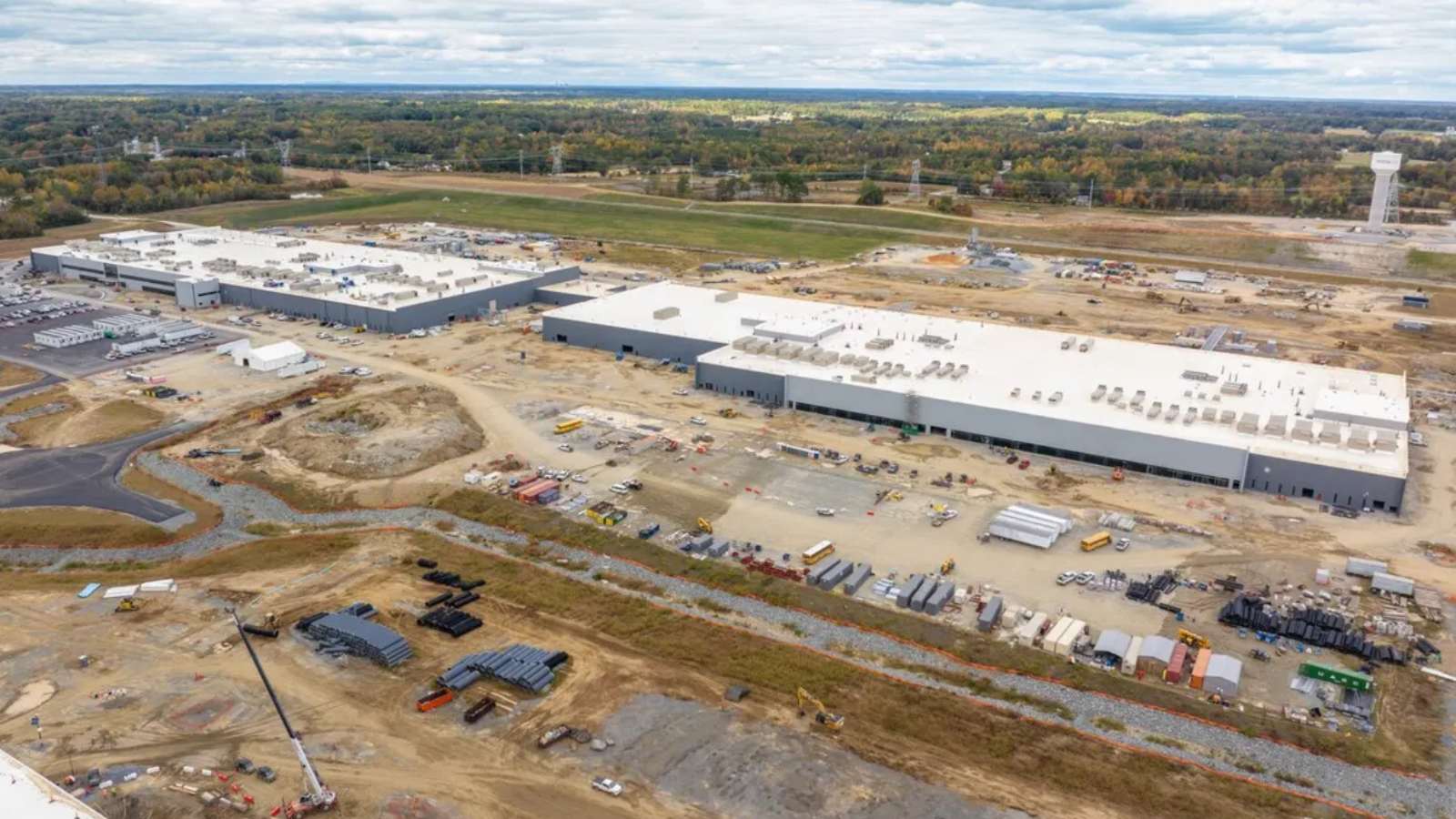
Simpson Commercial Real Estate and Brown Investment Properties have acquired 61.7 acres of land near Toyota’s $14 billion battery manufacturing facility for a planned mixed-use development called Woody Mill. The joint venture paid $8 million for the site and is advancing a large-scale program that combines Class A multifamily housing with commercial and retail-oriented outparcels.
According to reporting from The Triad Business Journal, the development team intends to build a 240-unit Class A apartment community as the residential component of Woody Mill. The multifamily segment is expected to account for roughly $50 million of the overall investment, reflecting a significant upfront allocation to new housing near the battery plant.
In addition to the residential portion, the joint venture is planning seven outparcels that will be focused on retail and related commercial uses. These outparcels are expected to feature restaurants and office space, with the commercial segment of the project budgeted at approximately $30 million. The outparcels themselves are projected to represent another $20 million in investment, bringing total planned spending for Woody Mill to about $100 million.
The developers began working on the Woody Mill concept roughly a year and a half ago and are now moving toward finalizing the project’s program and design. They expect to arrive at more concrete plans by September, which would set the stage for near-term predevelopment milestones and detailed site planning for the multifamily and commercial components.
Current expectations call for construction to begin before the end of the year, positioning Woody Mill to benefit from the expanding economic footprint around Toyota’s large-scale battery facility. With a construction start targeted for later this year, the development timeline anticipates that the project will open in the first or second quarter of 2028, subject to execution and market conditions.
The Woody Mill plan underscores how private developers are deploying capital around major industrial investments by pairing new housing with supporting retail and office uses. The project’s scale, mix of uses, and proximity to a substantial manufacturing operation suggest an effort to capture both residential demand and everyday services generated by the broader employment base in the area.