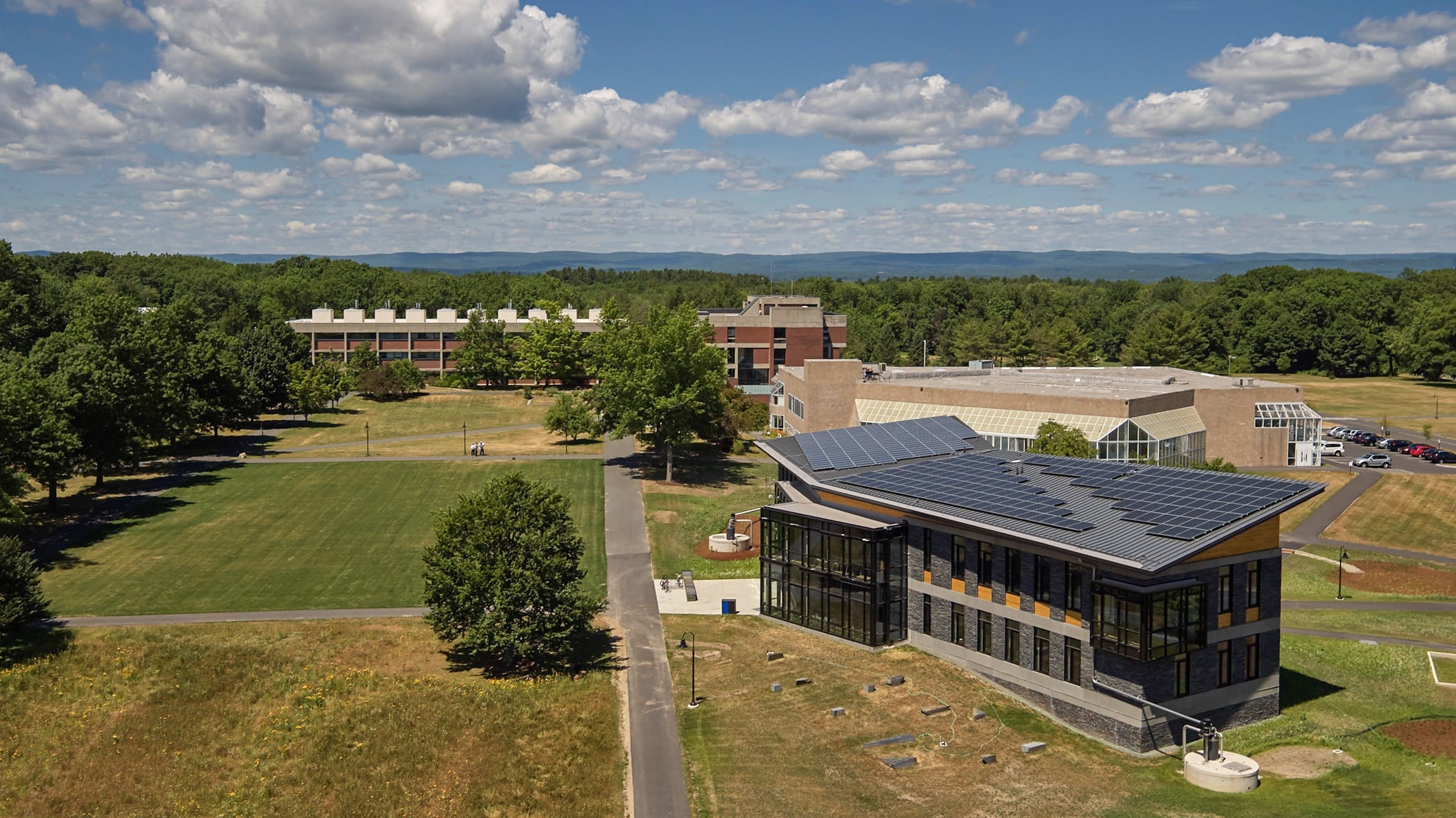
Local officials in Amherst are advancing plans that could significantly change the future use of Hampshire College’s 800-acre campus, which is expected to close this fall. According to reporting referenced from the Boston Business Journal, the town is preparing zoning changes that would open the site to housing, community facilities, and business uses.
Town representatives said they aim to complete a draft of new zoning for the campus by January 2027. The accelerated timeline reflects the municipality’s intent to move quickly in setting a framework for redevelopment once the college ceases operations.
Housing has emerged as the top priority in planning discussions, with particular emphasis on serving seniors and students. Experts cited in the reporting estimate that the former campus could potentially accommodate up to 2,000 housing units under a new zoning regime. While specific project proposals have not yet been detailed, the scale of the site indicates the potential for a significant amount of new residential supply if redevelopment proceeds.
Commercial uses are also being considered as part of the rezoning effort. Jeffrey Bagg, Amherst’s director of planning and economic development, told the Business Journal that commercial development could be included alongside housing in the new zoning framework. That mix of uses would allow the site to evolve into a more diversified district, rather than remaining limited to its legacy institutional role.
The town’s initial recommendations draw on a study completed this past spring in collaboration with MassDevelopment and three outside consulting firms. That study provided an early assessment of how the campus could be repositioned and what types of uses might best respond to local needs.
Amherst town manager Paul Bockelman said the potential redevelopment of the site could help respond to clearly identified housing needs in the community. He described the rezoning initiative as moving at “warp speed,” underscoring the urgency local leaders see in establishing new land-use rules for the soon-to-be-vacant campus.
As the planning process advances toward a 2027 draft, the ultimate development outcomes will depend on how zoning is structured and how private and institutional stakeholders respond to the opportunities created by the new framework.