New research from JLL highlights how professional sports venues are increasingly being repositioned from single-purpose arenas into mixed-use districts that function year-round. The firm reports that at least half of Major League Baseball organizations are expected to pursue either new stadiums or major redevelopments by 2040, shifting the focus from game-day entertainment alone to broader mixed-use environments.
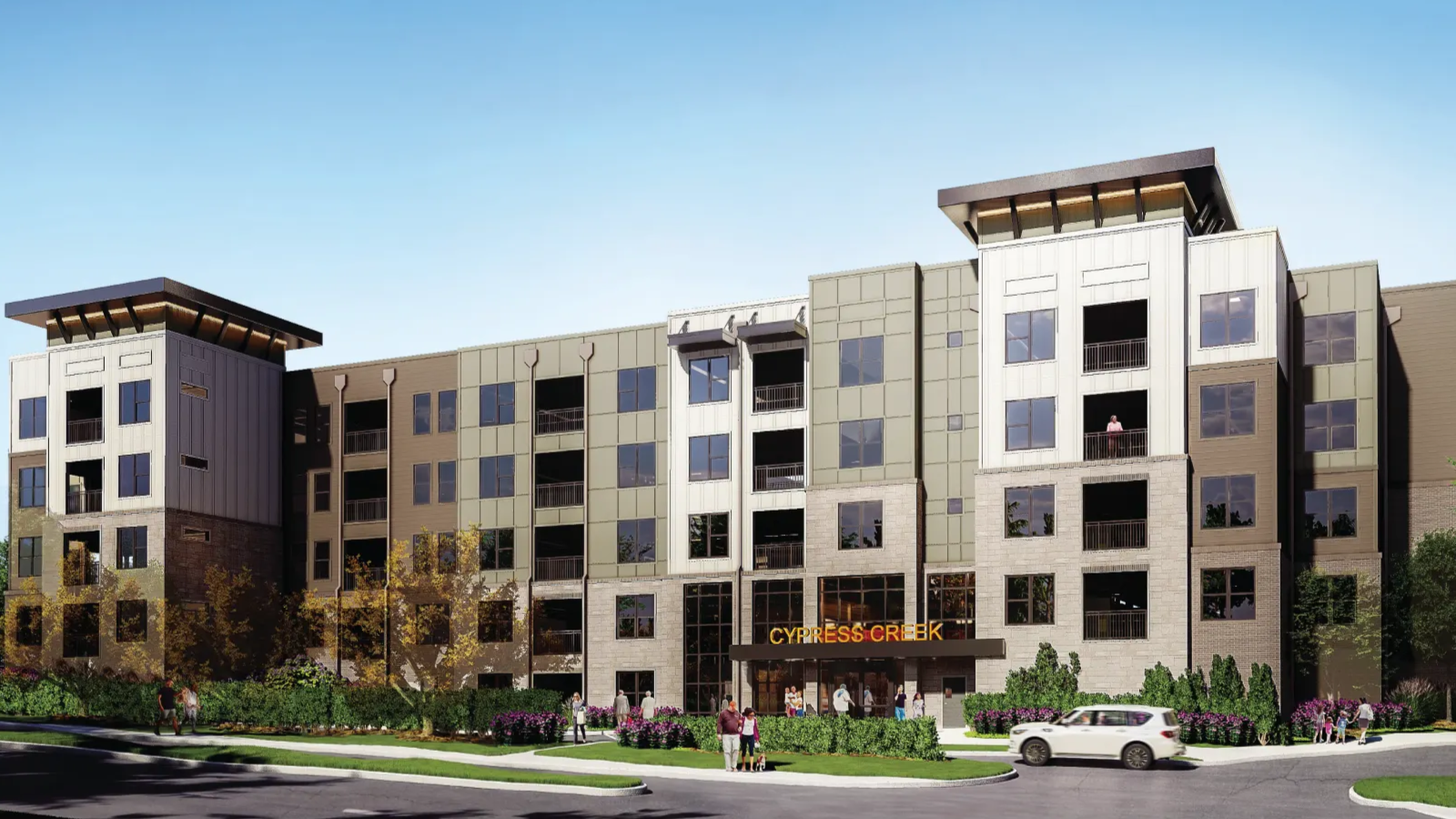
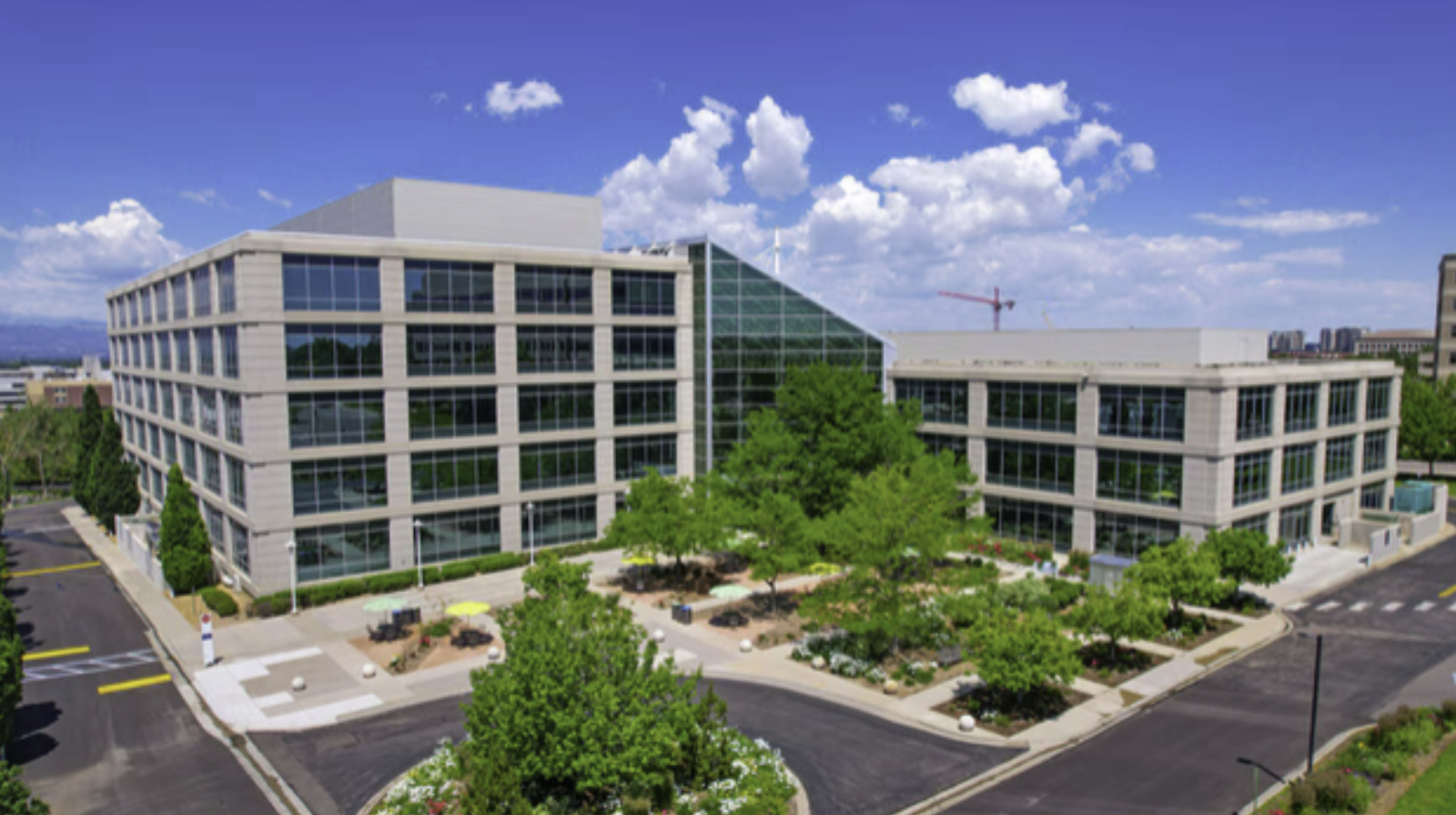
Developers and investors are layering residential, office, retail and hospitality space around stadiums to create districts that remain active beyond scheduled events. According to JLL, this approach can diversify revenue streams and lessen dependence on event-driven performance, as daily traffic from residents, office workers and hotel guests helps stabilize cash flow across cycles in team performance and event scheduling.
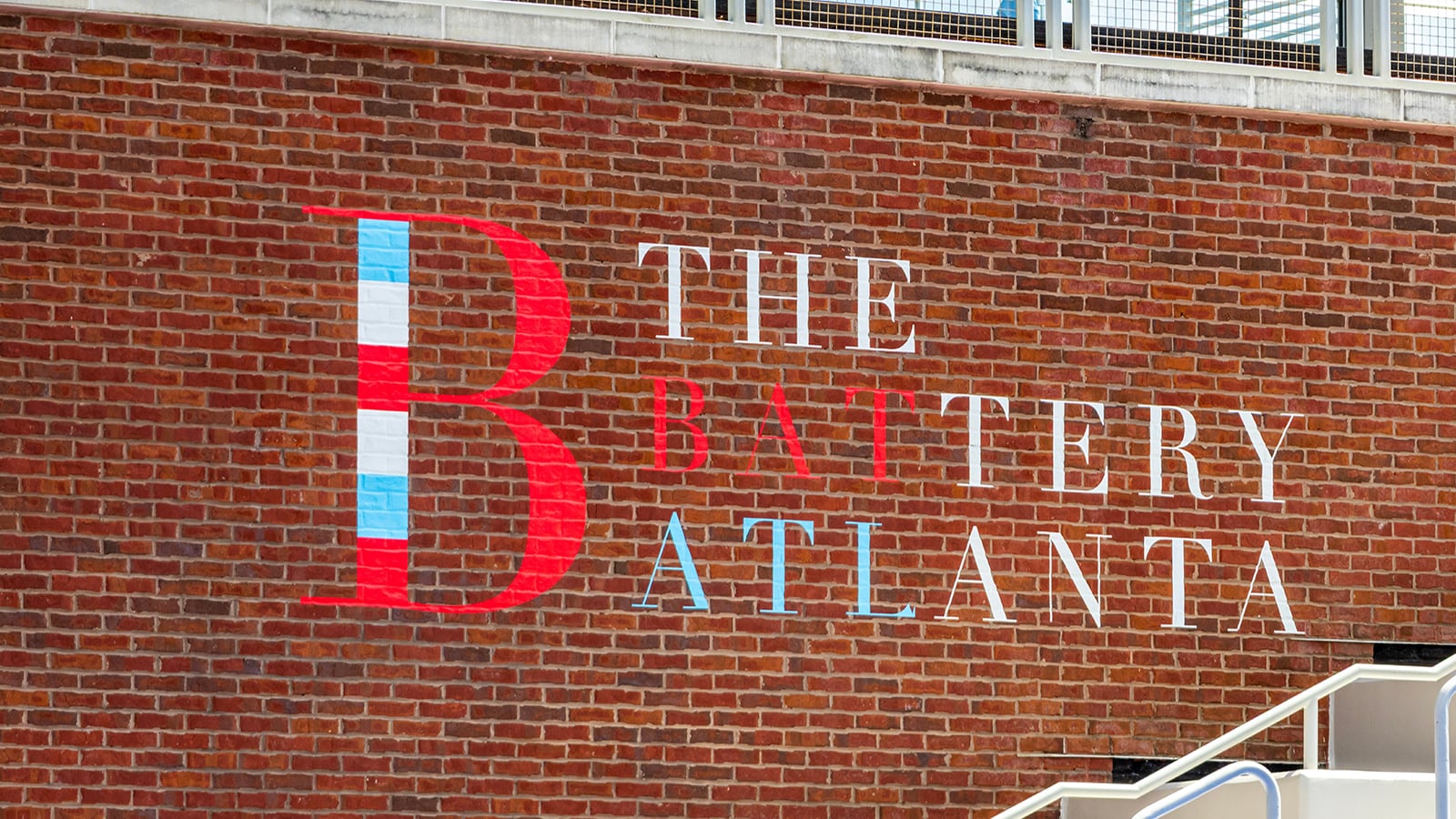
The Battery Atlanta is cited as a leading example of this strategy in the Atlanta MSA. Initiated by the Atlanta Braves baseball organization, the 60-acre development integrates the team’s stadium and a concert venue with more than one million square feet of commercial space, 500 multifamily units and a 406-key Omni Hotel. The scale and mix of uses are designed to support continuous activity on the site, rather than concentrating demand on game days alone.
Performance metrics from The Battery Atlanta underscore the appeal of this model. JLL’s report notes that the residential component posts occupancy rates 1.7% higher than the surrounding submarket, while office and retail spaces are reported to be near full occupancy. The venue’s event-side performance is also notable: the Atlanta Braves are described as the only Major League Baseball team to reach nearly 90% attendance relative to stadium capacity in 2025, despite recording a losing season that year.
JLL also points to underutilized spring training facilities as another opportunity for mixed-use or year-round activation. The 23 Major League Baseball spring training centers, which typically host activity for only about six weeks annually, are located in some of the fastest-growing cities in the United States and average roughly 100 acres each. The research estimates that boosting off-season usage by just 10% of capacity could add 2 million visits annually, while activating these venues throughout the year could generate up to 7 million additional visits.
Rising attendance in women’s professional sports is another potential driver for mixed-use venue planning. With growing fan bases for the WNBA, NWSL and PWHL, JLL suggests that future venues tied to women’s sports could be intentionally integrated into mixed-use districts, applying the same ecosystem approach now seen in more mature markets.
Across these concepts, JLL emphasizes that successful mixed-use sports environments rely on more than just a diverse program of uses. Effective placemaking is highlighted as critical to encouraging visitors to stay longer and return more frequently. The report recommends close attention to arrival and access, circulation and navigation, peak loading, and ease of exit to support positive user experiences and repeat visitation.