Major sports venues are increasingly being rethought as year-round economic engines rather than single-purpose entertainment facilities. A recent JLL report notes that at least half of Major League Baseball organizations are expected to pursue either new stadiums or major redevelopments by 2040, setting the stage for broader mixed-use strategies around professional sports assets.
Investors and developers are repositioning stadium environments into full-scale districts that blend residential, office, retail and hospitality uses. According to JLL, this evolution can help smooth revenue volatility by creating diversified income streams that are less tied to game-day performance and more anchored in daily life and routine visitation.
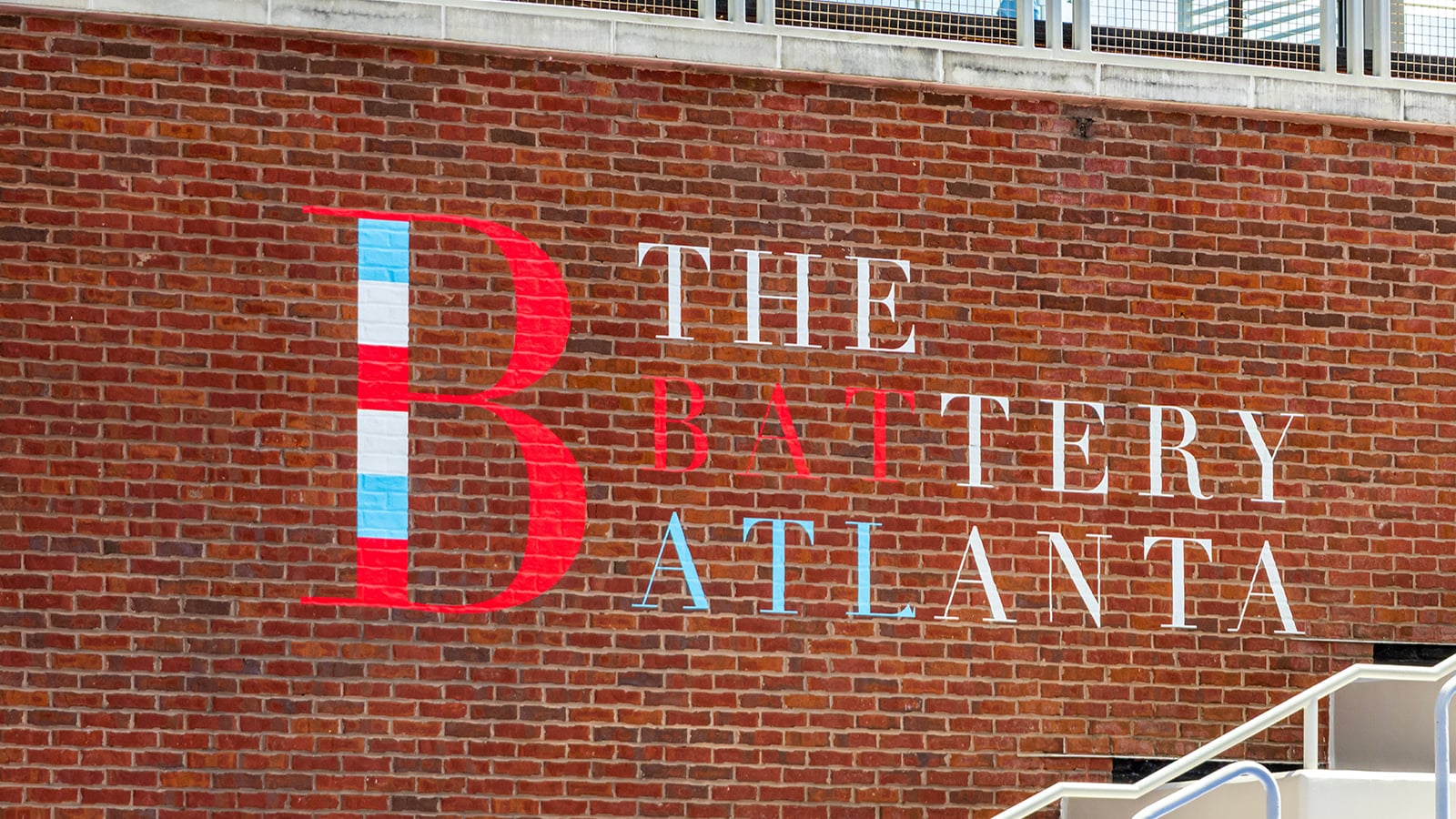
The Battery Atlanta, located in the Atlanta MSA, is highlighted as a leading example of this approach. The 60-acre development, led by the Atlanta Braves organization, integrates a stadium and concert venue with over one million square feet of commercial space, 500 multifamily units and a 406-key Omni Hotel. The concentration of uses in a single walkable district illustrates how sports-anchored real estate can be structured as an integrated ecosystem.
Performance metrics cited in the JLL report underscore the appeal of this model. The residential portion of The Battery Atlanta is reported to achieve occupancy rates 1.7% higher than its broader submarket, while office and retail components are described as being near full occupancy. JLL also notes that the Atlanta Braves are the only MLB team to reach nearly 90% attendance relative to stadium capacity despite posting a losing record during the 2025 season, suggesting that a strong surrounding environment can help sustain fan engagement.
Spring training venues present another frontier for mixed-use thinking. JLL research finds that MLB spring training facilities operate for roughly six weeks a year, with about half of annual attendance concentrated from late February through March before activity drops off sharply. The report points out that the 23 spring training centers, averaging about 100 acres each, are located in some of the fastest-growing U.S. cities, positioning them for potential year-round activation.
Even modest increases in utilization could materially change traffic patterns. JLL estimates that boosting off-season usage by just 10% of capacity could generate 2 million additional visits annually, and full year-round activation could attract up to 7 million additional visits. These figures frame the scale of latent demand that could be captured through expanded programming and complementary real estate uses.
JLL also highlights growing opportunity in women’s sports, citing rising attendance in the WNBA, NWSL and PWHL. The report suggests that future venues tied to women’s leagues could be purposefully woven into mixed-use environments, applying the same ecosystem-based approach already seen in more established markets.
Across these examples, successful mixed-use sports districts are characterized not only by the variety of uses, but also by their role in placemaking. JLL emphasizes that creating environments where visitors want to linger is critical to driving repeat visits. That includes carefully considering arrival and access, on-site circulation and wayfinding, the handling of peak loads and the ease of exit, all of which can influence how frequently visitors return and how much they engage with the surrounding real estate.