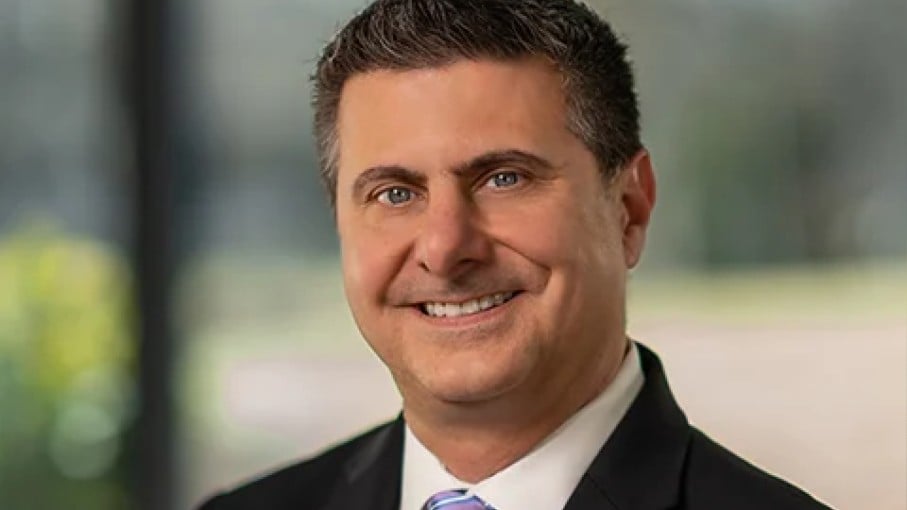
The organization long known as NAIOP has completed a multi-year rebranding process and will now operate as the Commercial Real Estate Development Association, reflecting its evolution since it was founded as the National Association of Industrial Parks in 1967. President and CEO Marc Selvitelli noted that this is the association’s sixth name change and said the new identity is designed to better match its current membership base and activities.
Selvitelli explained that when he joined the association in 2006, most members were office developers, followed by industrial specialists and a small mix of other property types. Today, industrial developers make up the largest share of the membership, followed by mixed-use, multifamily and data center specialists, with office now the fifth-largest asset class within the organization. He said this shift mirrors how commercial real estate companies have diversified beyond a single property type, often through mergers, acquisitions and risk management strategies that span multiple asset classes.
A key decision in the rebrand was including the word “development” in the association’s name. Selvitelli said the term was chosen after significant internal debate because it captures the full lifecycle of projects, from land acquisition and entitlements to design and legal work, and reflects the growing specialization within each step of the development process. He added that about 60% of members work for companies that have a stake in development, which supported the decision to emphasize the process rather than simply calling the group a developers’ association.
Advocacy remains a central pillar for the Commercial Real Estate Development Association, consistent with its roots as a Beltway-based trade group. Selvitelli said the organization focuses on policies and positions that help commercial real estate succeed, and complements that work with education aimed at deepening understanding of development. He cited the association’s advanced certificate in commercial real estate development, which covers the full development cycle and is open not only to professionals at development firms but also to lawyers, architects, brokers and others involved in projects.
The association’s mission of providing advocacy, education, networking and research in partnership with its chapters is unchanged under the new name. Selvitelli emphasized the importance of local engagement, noting that real estate is often local in nature even as members use the association’s network to compare practices across markets such as Vancouver and Atlanta. He said the rebranding followed years of research, member outreach and stakeholder interviews, and that one consistent finding was the need for a clearer, self-descriptive name when dealing with elected officials and reporters who previously had to be told that NAIOP represented more than industrial and office properties.
Looking ahead, Selvitelli said the association intends to lead a long-term effort to improve public perceptions of commercial real estate and of developers, positioning them as responding to community needs rather than fitting outdated stereotypes. Internally, the association is using the rebranding to broaden programming beyond industrial and office. Its annual conference, formerly known as CRE.Converge and now renamed the CREDA Conference, will feature four program tracks: industrial; mixed-use and office; multifamily; and technology in commercial real estate.
Selvitelli also pointed to the industry’s experience through the pandemic and compared current conditions to the disruptions following tax code changes and the savings and loan crisis in the late 1980s. He said the recent period underscored the importance of trade associations, noting that the organization did not lose members during the pandemic and in fact grew membership and expanded programming while taking a leading role in advocacy issues affecting all of commercial real estate. Under its new name, he said, the association aims to serve as a primary resource across asset classes including mixed-use, data centers, office, industrial, industrial outdoor storage, medical office and student housing.