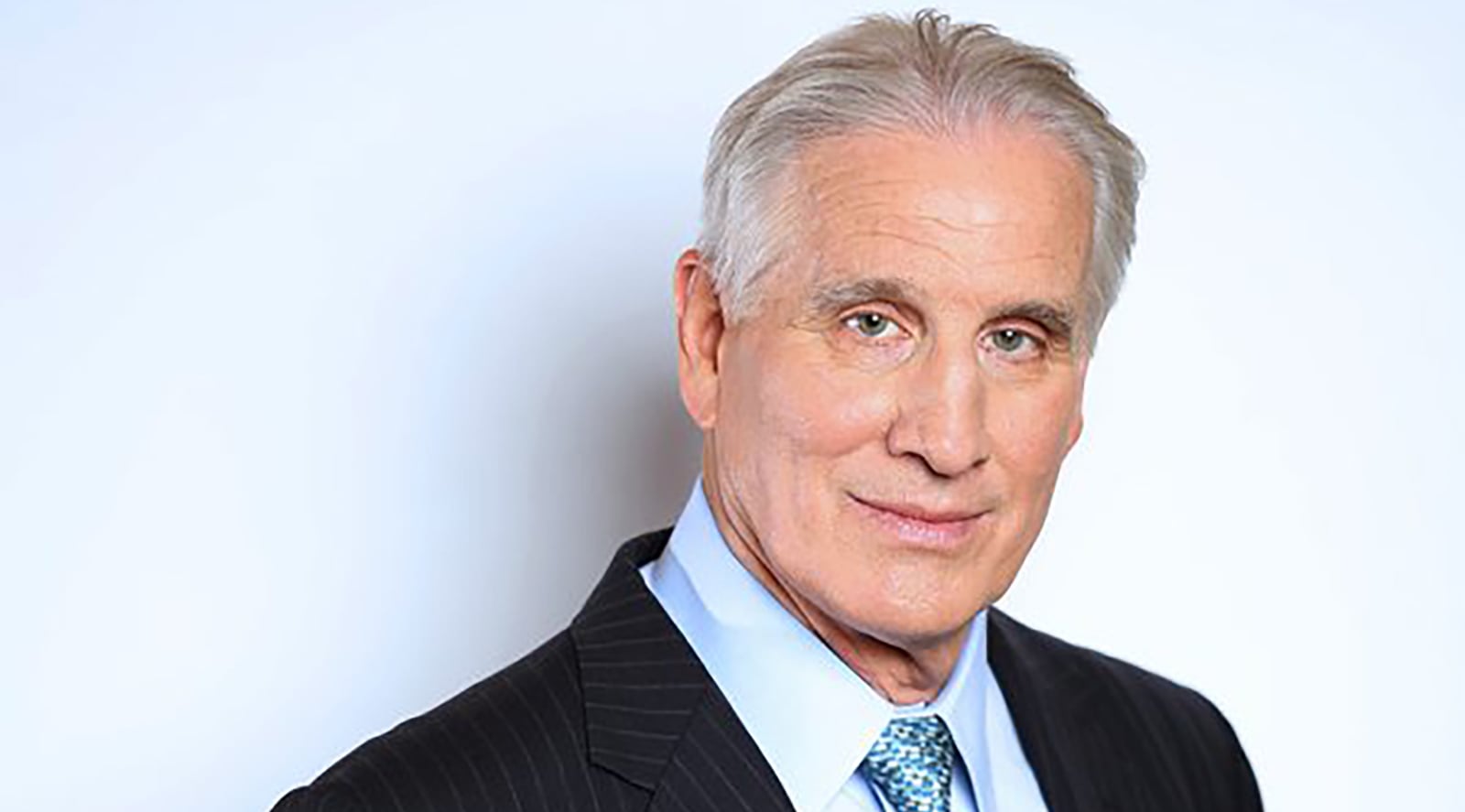
Economist Peter Linneman told Walker & Dunlop Chairman and CEO Willy Walker on the July 8 Walker Webcast that, despite ongoing concerns over inflation, gasoline costs and political uncertainty, he views the U.S. economy as fundamentally stable. He argued that both businesses and consumers appear more cautious than current economic performance would warrant, suggesting that sentiment rather than underlying data is limiting further upside.
Linneman said the economy could be performing better if decision-makers were not contending with so much uncertainty. In his view, elevated anxiety about prices and policy has depressed confidence, even as output and labor market trends remain generally solid.
Turning to technology, Linneman discussed the rapid advance of artificial intelligence and its implications for employment. He does not expect AI to erase large numbers of jobs in the near term, noting that previous waves of innovation have consistently reshaped the labor market by creating new industries and roles even as they phased out others. He anticipates that AI-related workforce shifts will occur gradually, rather than through abrupt, large-scale dislocations.
However, Linneman cautioned that the current AI investment surge may echo prior periods of overinvestment, likening it to the dynamics that preceded the housing bubble. He argued that capital has moved into AI too quickly, saying that the market is effectively compressing about four years of spending into two years. In his view, that pace could temporarily slow the broader economy over the next couple of years as resources are pulled forward.
Linneman also addressed monetary policy and its impact on commercial real estate. He characterized the Federal Reserve’s restrictive stance as appropriate, adding that, once owners’ equivalent rent and volatile energy prices are stripped out, inflation appears close to the Fed’s target range. Reflecting this view, he revised his prior forecast for rate cuts, now expecting about 50 basis points of easing by year-end rather than the 75 basis points he had projected earlier. He believes temporary inflationary pressure tied to oil market volatility should subside, opening the door to lower policy rates.
On the demand side, Linneman noted that consumer confidence has remained unexpectedly weak given the strength of the economy and financial markets. He attributed much of this malaise to sensitivity around inflation and gasoline prices, even though fuel represents a relatively small portion of household budgets. Because the Consumer Confidence Index is reported with a lag, he suggested that recent relief at the pump has not yet fully appeared in the data but could help lift sentiment.
Within commercial real estate, Linneman was most constructive on multifamily. He observed that apartment demand never turned negative during the recent soft patch; instead, new deliveries repeatedly outpaced absorption. With multifamily starts now sharply lower across many markets, he expects supply and demand to move back toward balance, supporting higher occupancy levels and stronger rent growth over the next several years.
In the office sector, Linneman anticipates a slower healing process. He pointed to limited new construction pipelines and the removal of millions of square feet through demolitions and conversions as key drivers that should gradually tighten fundamentals. He framed the overall environment as stable rather than exceptional but argued that moderating inflation, a path toward lower interest rates and improving property-level fundamentals together set the stage for a more favorable backdrop for commercial real estate over time.