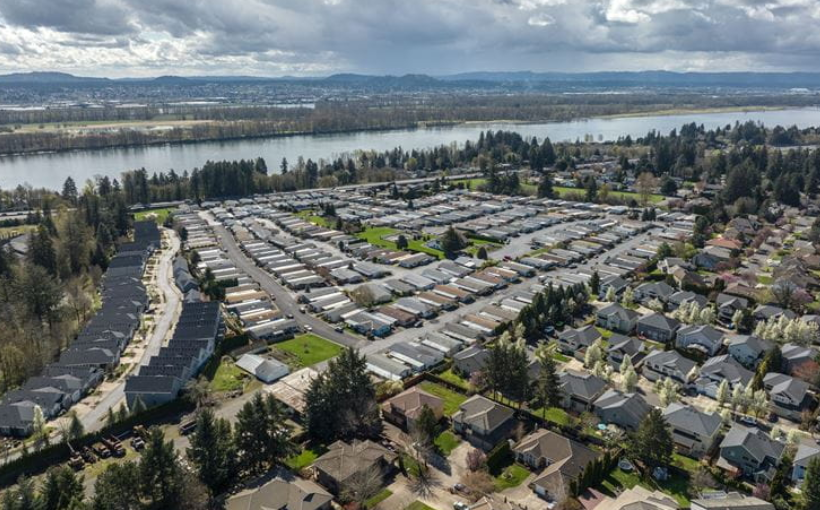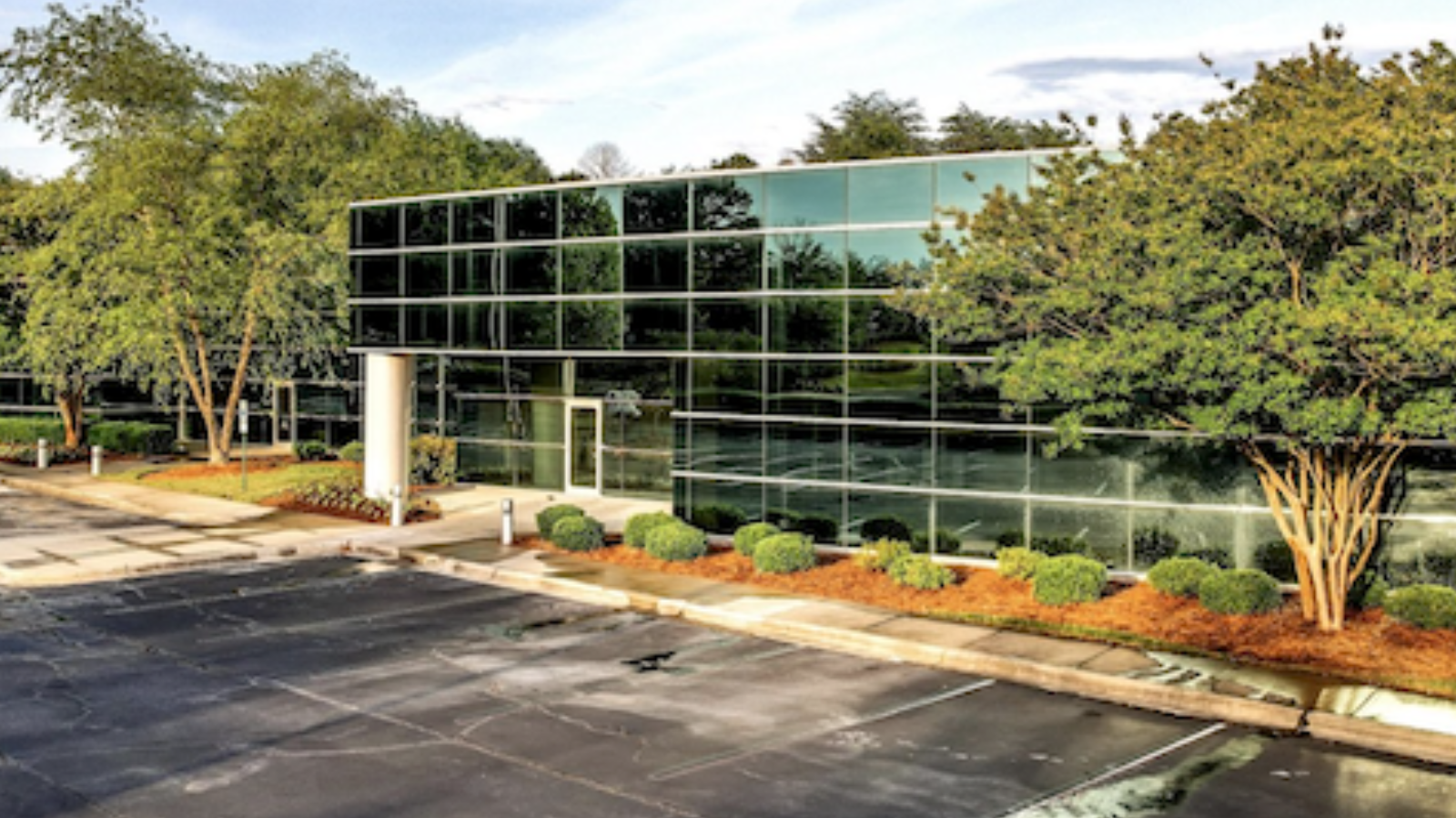
Brownfield sites, defined by the United States Environmental Protection Agency (EPA) as underused or abandoned properties complicated by real or perceived environmental contamination, have long been viewed as challenging redevelopment prospects. Concerns over legacy pollution can constrain reuse and make both capital and regulatory approvals harder to secure.
Recent analysis highlighted by NAIOP’s Development magazine suggests that these locations may nonetheless play a role in meeting rising demand for data centers. According to the article, some brownfield sites can offer meaningful advantages for digital infrastructure, including proximity to existing power grids, compatible zoning and access to water and other critical utilities.
The article’s authors, Jason B. Hutt and Daniel J. Pope of Bracewell LLP, emphasized that environmental conditions at brownfields are highly variable, ranging from modest issues to significant contamination. As a result, they note that it falls to developers and their advisers to carefully evaluate the specific risks and constraints of each site before pursuing a data center or other redevelopment.
EPA data from 2016 identified more than 450,000 brownfield sites across the United States, though the agency does not maintain a single, comprehensive database. Other estimates cited in the discussion indicate the total number of brownfield properties could reach 1 million nationwide. At the same time, the American Edge Project projects that companies may invest $3 trillion in artificial intelligence infrastructure, including data centers, by 2030, underscoring the scale of potential demand for suitable locations.
Hutt and Pope outline several steps for market participants considering brownfields. They recommend more intensive due diligence than would be typical for non-contaminated sites, including a close review of historic uses, impacts on soil and groundwater and any legacy environmental permits that might complicate new development or operations.
The authors also stress the importance of understanding how environmental liabilities are allocated in transactional documents. Because brownfield projects are often structured as asset purchases, buyer and seller must determine who ultimately bears responsibility for existing and future environmental obligations. They suggest that representations and warranties, post-closing covenants and, where applicable, parent guarantees should be drafted with clear risk allocation in mind.
Some projects may benefit from voluntary cleanup programs created under federal and state frameworks. The Comprehensive Environmental Response, Compensation and Liability Act of 1980 (CERCLA), as amended by the 2002 Brownfield Amendment, and related memorandums of agreement between the EPA and states have supported state-level initiatives that work with owners and developers to remediate contaminated property. However, the authors caution that participation in such programs can draw additional state agency oversight and extend development timelines.
On the policy front, Hutt and Pope note that executive orders under President Donald Trump were aimed at easing barriers to US leadership in artificial intelligence. One outcome was the AI Action Plan, which recommends streamlining environmental permitting and requirements that apply to data center development, including those under the Clean Water Act, the Clean Air Act and CERCLA.
The authors point out that it remains unclear whether Congress, the EPA or individual states will introduce new incentives specifically to encourage data centers on brownfield sites. They conclude that real estate owners, investors and data center developers should monitor emerging policies that could improve the economics of brownfield redevelopment, while recognizing that existing legal and programmatic tools already provide pathways to bring data center projects to these sites.