Long a symbol of higher education, the traditional amphitheater-style lecture hall with fixed, tiered seating is increasingly viewed as misaligned with how students learn today. A recent JLL article argues that these spaces, designed around passive listening and rigid presentation formats, no longer support contemporary pedagogy and are ripe for transformation.
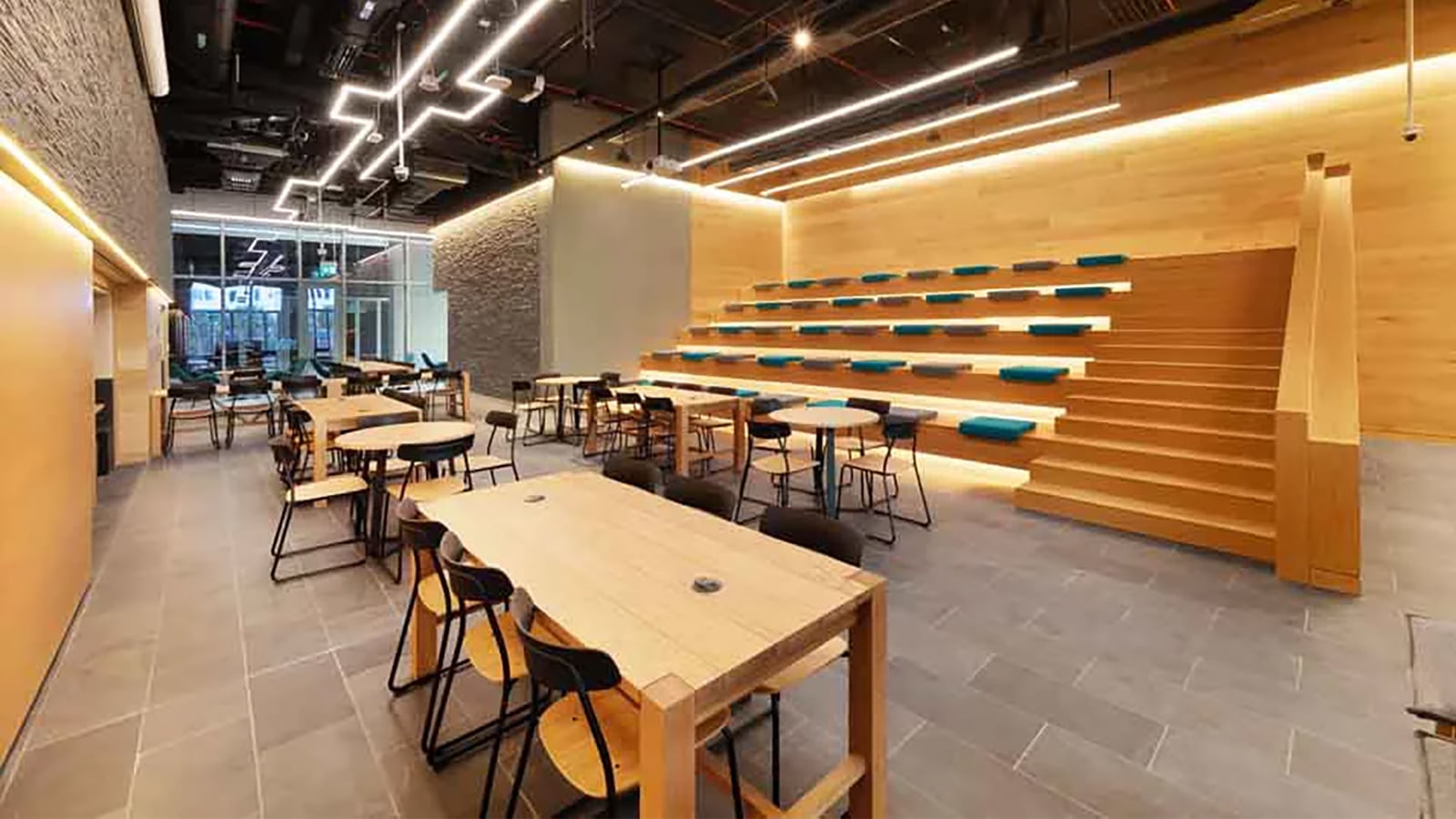
JLL notes that universities are reassessing large, single-purpose lecture halls and considering how thousands of square feet of campus real estate could function more effectively as multipurpose environments. This shift mirrors changes that have already taken place in the corporate workplace, where open-plan offices and “cube farms” have given way to a broader mix of settings tailored to different types of work.
According to JLL, modern offices are structured to let people choose among individual focus areas, collaborative team spaces and presentation zones, rather than forcing all activity into a single, uniform layout. Applying the same logic to campus planning, universities are beginning to see that lecture-heavy environments may fall short of supporting varied learning styles, collaborative work and informal interaction.
Sally Edelsten, director of design and asset experience with JLL’s PDS Advisory group, suggests that converting lecture halls into multi-functional spaces could significantly change how students use campuses. She notes that flexible areas tend to remain active throughout the day, not just when a class is scheduled, which can make better use of space and encourage more continuous engagement with the physical campus.
JLL highlights that learning environments designed as “active learning commons” can help students converge naturally between formal sessions, enabling a mix of teaching methods and learning preferences. The firm points to research showing that a meaningful share of the global population is neurodivergent, including people with autism spectrum conditions, attention-deficit disorders, dyslexia and dyspraxia, and argues that traditional lecture halls are not always well suited to their needs.
In response, universities are encouraged to incorporate multi-zone areas that include quiet spaces, reduced sensory stimulation and varied seating options. JLL frames this as part of a broader neuro-inclusive design approach, where large rooms can flex between traditional lectures, small-group seminars, project work and individual study, rather than being locked into a single use.
The article outlines several design principles that can guide this transition. Offering students a choice of environments is central, from focused workspaces to collaboration zones and formal presentation areas. Corridors and circulation paths can be reimagined as active transition spaces where informal interaction and social learning occur between scheduled classes. Design strategies that emphasize adjustable lighting, acoustics, clear wayfinding and seating variety can better accommodate neurodiverse users.
JLL also underscores the importance of flexible infrastructure, such as movable partitions and integrated technology, to allow rapid reconfiguration as teaching formats evolve over the course of a day or semester. Finally, the firm suggests that successful learning environments will balance individual autonomy with opportunities for connection, ensuring that students can choose settings that match their personal work preferences while still supporting collaboration and group engagement.