Multifamily amenity strategies are shifting away from large experiential spaces such as clubrooms, cold pools, yoga rooms and game areas toward features that simplify residents’ daily routines. Operators are now seeing stronger renter demand for practical offerings including package management, smart technology integrations and dedicated ride-sharing zones.
Within this new amenity mix, secure on-site storage is emerging as a core expectation. Bradyl Storage Solutions co-founder Lindsay Steiner told Connect CRE that smart access, pet services, coworking areas and on-site storage now function as necessities rather than luxuries for many residents. She noted that storage should move beyond the traditional mesh cages often found in dim, poorly ventilated corners of buildings.
Steiner said private, secure on-site storage can meaningfully improve the resident living experience while also generating recurring revenue for owners and operators. The demand for this type of space is being driven by several converging trends: renters are staying in apartments longer, hybrid work keeps many residents at home for at least part of the week, and households are accumulating more belongings.
At the same time, new apartments are getting smaller. Citing NAIOP research, the article notes that units built in the past decade are about 30 square feet smaller than those delivered between 2005 and 2014, and about 75 square feet smaller than apartments completed in the early 2000s. Steiner said that at properties where Bradyl installs storage, available units are leased quickly and waitlists are common.
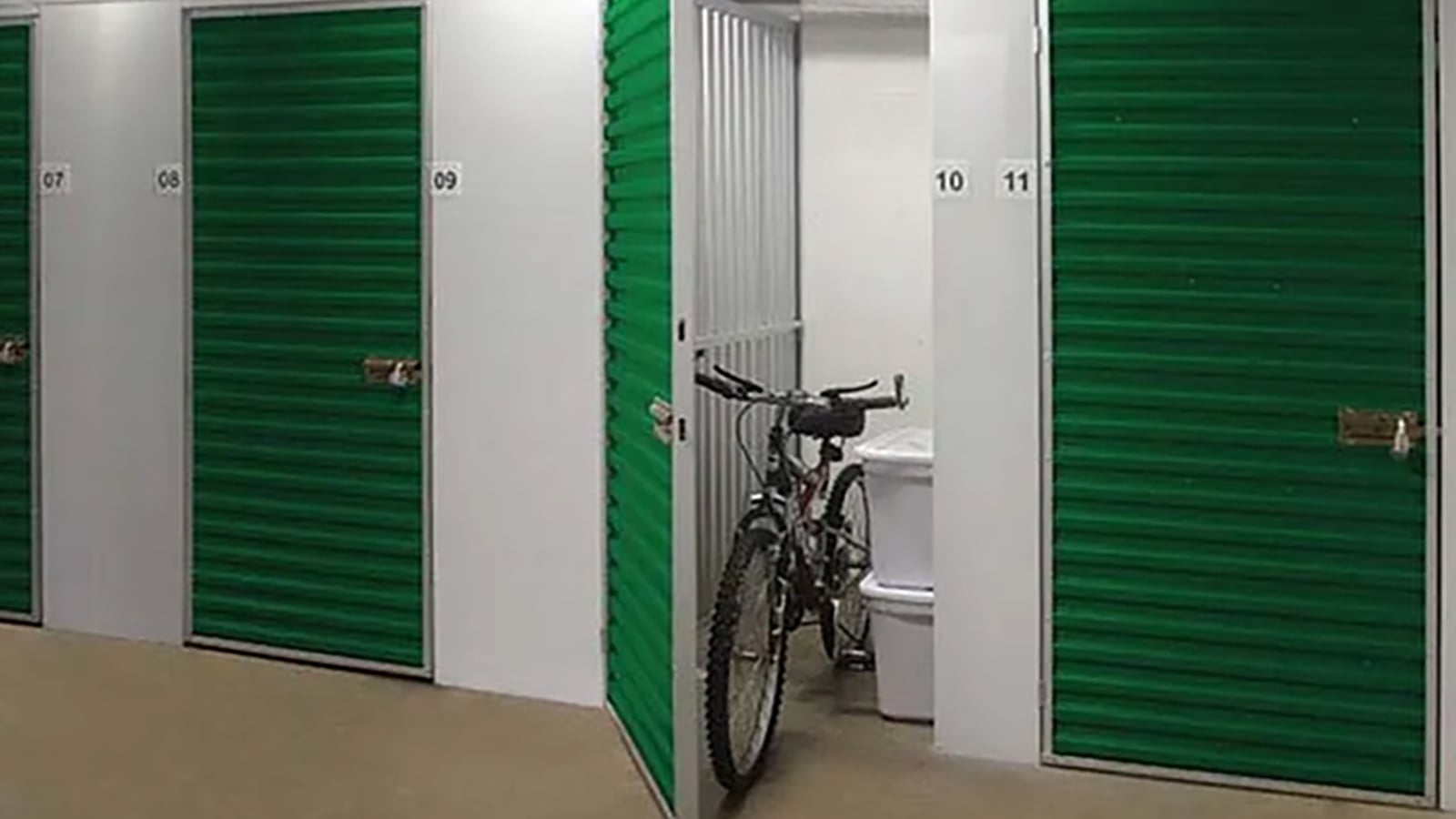
She pushed back on several persistent misconceptions about on-site storage. Mesh cages remain common but offer limited security, with contents fully visible and protected only by a padlock, and can detract from the aesthetic of otherwise well-maintained assets. Steiner said fully enclosed units are available at comparable price points while better addressing security, privacy and visual appeal. She also noted that off-site self-storage, while abundant in many markets, can be inconvenient for renters in dense urban environments who must travel and contend with poor weather to access their belongings.
Another concern she addressed is the perception that storage is an operational burden. According to Steiner, well-designed and properly installed storage systems operate largely on a self-service basis, providing an amenity that generates revenue without significant additional management requirements. Bradyl reports that properties with high-quality on-site storage can achieve up to $5 per square foot in rental income with relatively modest ongoing overhead.
To maximize value, storage should not be treated as an afterthought. Steiner recommended that developers incorporate storage layouts during the design phase, allowing teams to optimize location, lighting, ventilation and fire safety needs such as sprinkler clearances. For existing communities, she pointed to parking garages, underused corridors and utility-adjacent areas as potential storage opportunities, starting with a walk-through and tailored layout plan.
She added that storage configurations can be customized around irregular footprints and existing infrastructure, often without changes to mechanical, electrical or plumbing systems, which helps limit disruption during installation. Steiner described demand for secure, well-lit and visually appealing storage as a durable trend tied to evolving consumer behavior and housing requirements, and suggested that multifamily properties prioritizing private, secure storage will be better positioned to meet resident expectations while strengthening overall asset appeal.