The Texas A&M University System Board of Regents has authorized a new round of capital investments intended to expand research capacity, accommodate student growth and maintain historic facilities across its statewide footprint. Central to the package is a major new phase of development for the Texas A&M-Fort Worth campus, which is being positioned as an anchor for an innovation-focused district in downtown Fort Worth.
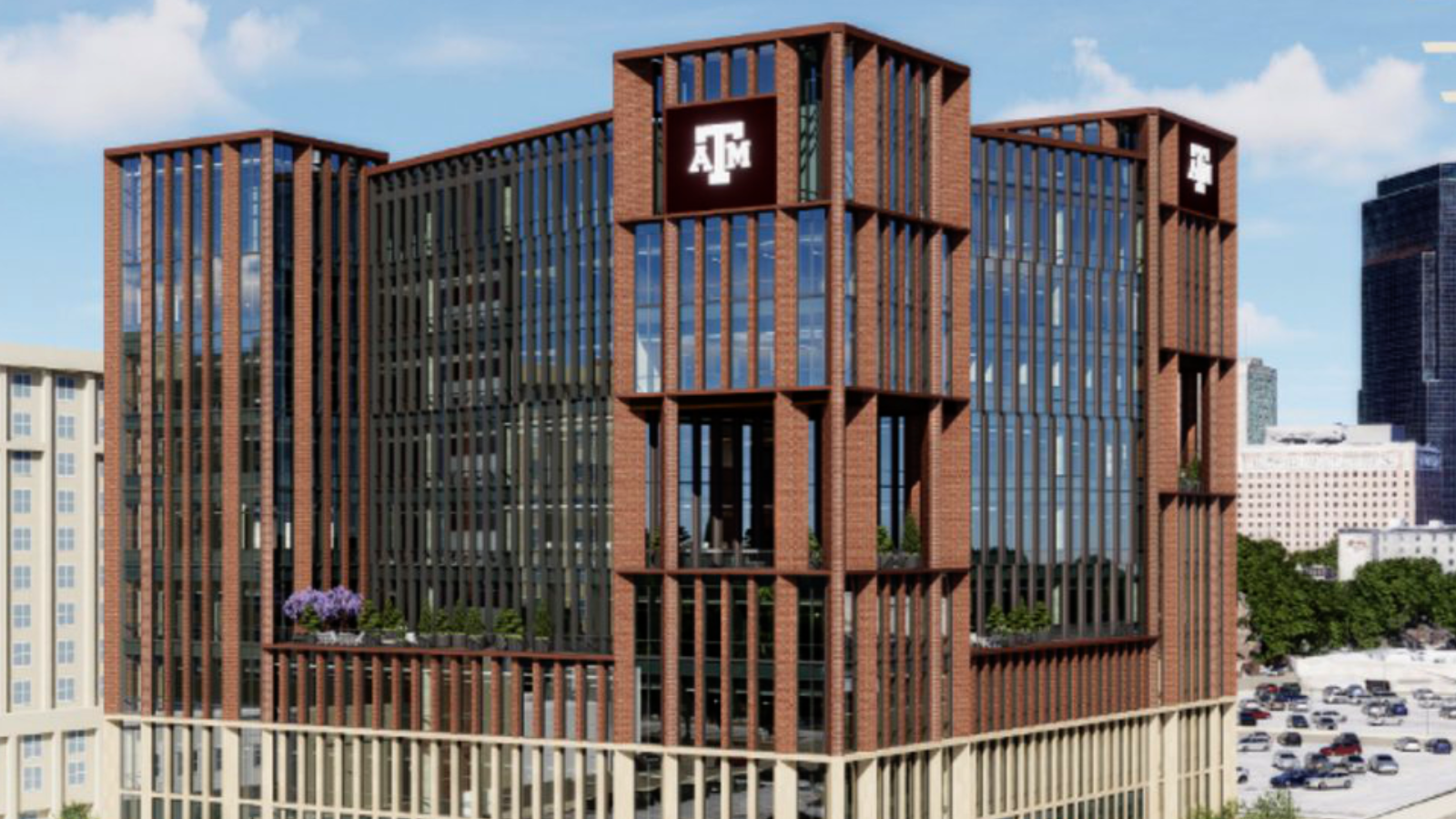
The regents approved approximately $300 million for a second academic and research building tied to the Texas A&M-Fort Worth campus. This new facility will advance the university system’s plans for its growing innovation district in the city’s downtown core, adding space for teaching, research and collaboration with external partners. The investment marks a substantial escalation of the university’s physical presence in Fort Worth and is framed as part of a broader effort to support long-term regional growth.
According to the university system, the expanded campus is intended to reinforce the district’s role as a hub for research, workforce development and collaboration with industry. The additional academic and research building is expected to deepen connections between the university’s programs and the needs of employers in one of the country’s fastest-growing regions, with a goal of preparing students for high-skill roles and supporting the talent pipelines of corporate and institutional partners.
The Fort Worth innovation district is envisioned as a mixed-use environment where academic activity, private-sector engagement and entrepreneurial initiatives coexist. By concentrating these uses in a single district, the university aims to help catalyze economic development, attract high-paying jobs and encourage new business formation. The latest building approval represents another step in building out that ecosystem, with the Texas A&M-Fort Worth campus at its core.
Beyond Fort Worth, the Board of Regents also approved a separate $30 million project dedicated to restoring the historic Academic Building at Texas A&M University’s flagship campus in College Station. The work is focused on preserving a landmark facility that serves as a symbolic and functional centerpiece of the campus. Together, the Fort Worth expansion and the College Station restoration illustrate a dual strategy of investing in new research-driven facilities while maintaining legacy campus assets that remain central to the university’s identity and academic mission.