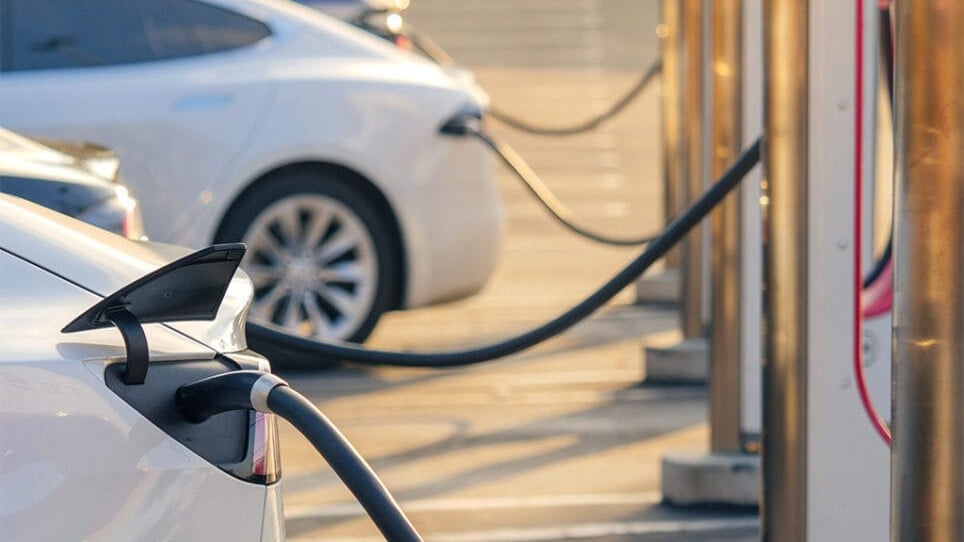
Retailers are increasingly interested in adding electric vehicle charging to their properties, but many are discovering that the process is far from immediate. Burak Elibol, CEO and co-founder of Coral Charge, notes that owners and operators may wait a long time before new fast-charging infrastructure is actually available for use on their sites. As a result, the anticipated customer activity tied to EV charging may not materialize on the same timetable as retail tenants and landlords expect.
Elibol points out that grid-based fast chargers can be especially slow to come online. Securing interconnection permits often requires retailers and their partners to navigate lengthy utility and regulatory processes. According to him, it is common for this phase alone to stretch for months and, in many cases, years before chargers can be energized. During that period, retailers are effectively in limbo, unable to offer the EV amenity or capture the associated foot traffic.
These delays create an operational challenge for retail properties that are trying to stay aligned with evolving consumer expectations around EV accessibility. While site owners may be ready to dedicate parking spaces and signage to charging, their schedules can be dictated by external permitting and grid constraints. Elibol suggests that this timing gap weakens the immediate benefit of placing chargers on-site, since tenants and customers do not see near-term results.
In contrast, Elibol highlights off-the-grid charging solutions, including Coral Charge’s platform, as an alternative approach. He explains that these systems are designed to generate electricity locally, with power produced on-site. The configuration he describes relies on solar panels to supply energy directly to the chargers rather than drawing from the broader electrical grid.
Because the electricity is generated locally, Elibol says the marginal cost of power for these off-grid chargers is effectively zero. There is no need to purchase incremental electricity from a utility for each charging session, which changes the cost structure for operating the equipment. He further notes that these systems are not subject to demand charges, a common feature of many commercial utility tariffs that can significantly increase costs when usage spikes.
By reducing exposure to both ongoing energy purchases and demand charges, off-the-grid models can offer a different economic profile than traditional grid-tied fast chargers. Elibol’s discussion underscores that the contrast between the two approaches is not just technical, but also operational and financial in nature. For retailers evaluating EV charging, the choice between grid-based and off-grid solutions therefore involves weighing permitting timelines, energy sourcing, and the long-term cost of delivering power to customers’ vehicles.
In the accompanying video, Elibol walks through these differences in more detail, outlining how Coral Charge’s platform is structured and how it is intended to fit onto retail properties. His comments frame off-grid EV charging as a way to bypass some of the timing and cost uncertainties associated with traditional interconnection, while still positioning retail sites to serve growing EV demand.