Universities and colleges are grappling with rising operating expenses, enrollment volatility and tighter budgets, while much of their physical campus space remains underutilized. JLL’s inaugural 2025 Higher Education Portfolio Benchmarking Survey highlights that these institutions often have only a limited grasp of how their buildings are actually used, which constrains their ability to manage facilities as strategic assets.
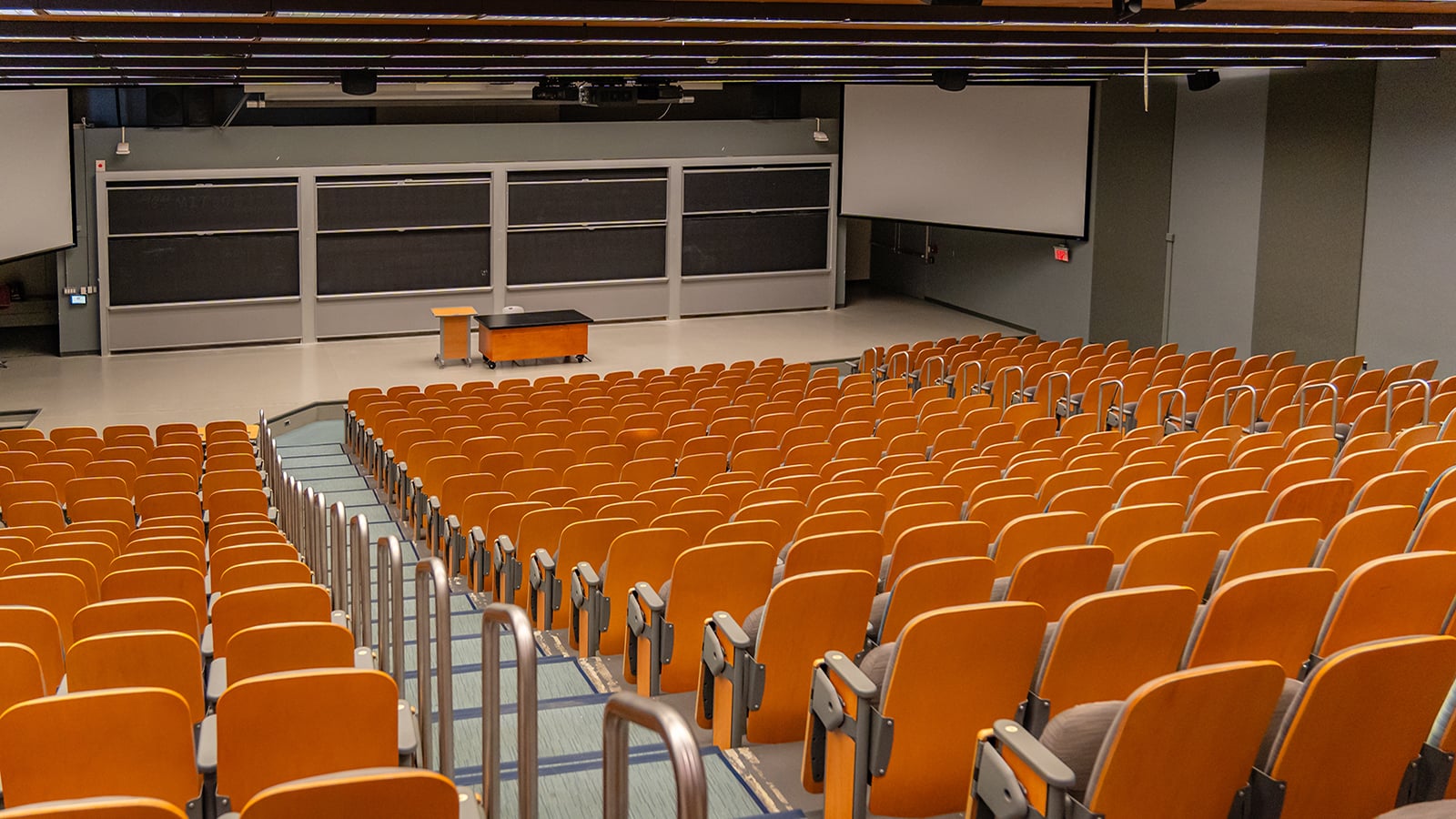
The survey characterizes higher education campuses as large but underperforming holdings, estimating an average campus value of approximately $4.9 billion per institution. Despite this scale, actual classroom utilization lags significantly behind planned levels. JLL found a 33% gap between targeted classroom usage of 75% and actual utilization of 42%, underscoring the amount of capacity that sits idle during the academic day.
The findings also point to shortcomings in how universities measure and manage space. A large majority of institutions, 81%, reported that they do not use key performance indicators for space management. Half of survey participants said they do not track occupancy data, leaving many space allocation decisions to be made on anecdotes and habit rather than evidence. Governance structures around space were described as weak, with limited authority and few mechanisms for financial accountability tied to space usage.
JLL’s analysis suggests that more systematic space management could produce meaningful savings. The survey indicates that implementing a structured approach could generate annual cost reductions in the range of $2 million to $4 million. The report contrasts corporate real estate practices, where space is treated as a measurable and optimizable asset, with higher education, where the largest capital investment is often still managed by estimation and historical precedent.
To address these gaps, the write-up proposes a phased approach. In the first phase, institutions would deploy sensors and tracking tools in high-value areas to capture data on how buildings and rooms are actually used. In the second phase, universities would establish key performance indicators such as utilization rates, cost per square foot and space allocation efficiency metrics. The third phase calls for integrating performance data into major decisions, including academic program planning, capital project prioritization and other resource allocation processes.
The survey further emphasizes the role of leadership in strengthening capital planning, improving research agility and confronting underutilized faculty and administrative space. JLL analysts describe under-performing real estate as the single largest untapped funding source for advancing institutional goals. By adopting comprehensive space management systems, higher education institutions can better position themselves on measures such as financial efficiency, research infrastructure, capital planning sophistication and operational resilience.