
Commercial real estate capital is still flowing, but it is increasingly concentrated in stronger borrowers and higher-quality assets as the K-shaped economy persists. Executives and economists interviewed described an environment where some industries, companies and households are thriving, while others have effectively been in recession for years, with that split now rippling through CRE performance and financing.
Sources noted that higher-income households, supported by equity market gains, accumulated wealth and healthier earnings, continue to spend on luxury goods and experiences. That demand is helping sustain luxury retail, high-street shopping districts and tourism-oriented destinations. By contrast, lower-wage earners are facing mounting pressure from inflation, tariffs and geopolitical conflict, and are relying more on credit card and consumer debt as costs rise.
The divide is also evident between households that own appreciating assets and those that do not. Households with real estate or financial asset exposure have generally been able to navigate higher prices more easily, while those without asset ownership and limited wage growth are confronting a far more challenging backdrop.
Across property types, industrial and logistics facilities and data centers continue to benefit from structural demand drivers, including the rapid expansion of AI-related infrastructure. Multifamily is more nuanced: top-tier, well-located properties in primary and gateway markets are holding up with comparatively stronger rent growth, but renter-by-necessity segments in oversupplied metros are seeing concessions and weaker fundamentals. In both multifamily and self-storage, some of the negative rent trends reflect localized oversupply rather than broad-based demand deterioration.
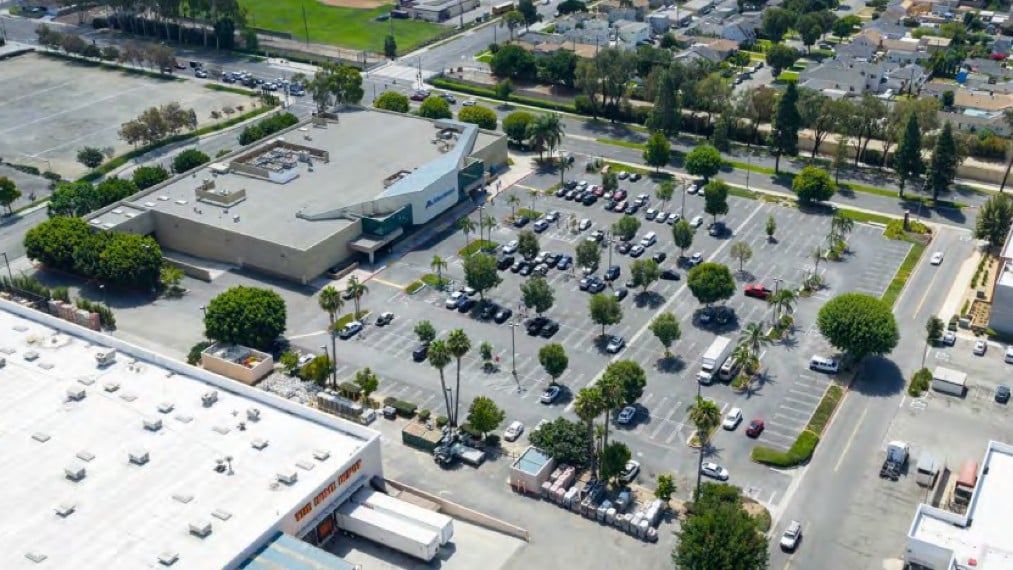
Retail performance is similarly uneven. Higher-end formats serving affluent consumers remain relatively resilient, while some lower- and middle-market retailers are under increasing strain from the same economic pressures facing their customer base. This divergence is reinforcing a pattern where capital and spending favor already-strong locations and operators.
On the financing side, market participants generally agreed that there is substantial capital available across the risk spectrum, but that it is being deployed selectively. Lenders and investors are showing a pronounced preference for institutional-quality assets, clear business plans and experienced sponsors, while older or less stable office and retail properties struggle to attract traditional funding. Several observers emphasized that this cycle differs from prior downturns in that the market is not broadly repricing all assets; instead, capital is deliberately gravitating to perceived winners.
Opinions varied on whether lenders are too conservative. Some described a highly liquid market with aggressive spreads that still compensate for risk, while others pointed to instances of excessive caution even on well-leased, stable properties. There was broad agreement, however, that more caution is justified for weaker assets given shifting income patterns and evolving space needs.
Looking ahead, the outlook for CRE capital markets was characterized as generally constructive, assuming liquidity conditions remain intact and interest rate expectations stay relatively stable. Borrowers with strong balance sheets and established track records are expected to face sustained competition among lenders, while weaker sponsors may still obtain financing but on more restrictive terms. Overall, capital is expected to remain available but increasingly discerning, reinforcing the broader K-shaped pattern in both the economy and commercial real estate.