Senior housing design has evolved beyond institutional models, with many modern communities offering fitness centers, upgraded dining areas and lifestyle-focused amenities. Yet landscape architect David McCullough argues that outdoor environments often lag these indoor improvements, even as operators aim for more hospitality-driven senior living experiences.
McCullough, who leads McCullough Landscape Architecture, told Connect CRE that exterior areas should be treated as fundamental to project planning, not as a secondary add-on. He emphasized that outdoor design must begin with residents’ daily routines in mind so that spaces are usable, comfortable and aligned with how seniors actually live today.
He noted that one persistent misconception is that older adults live like previous generations. In his view, many of today’s seniors share activities commonly associated with middle-aged residents, including tennis, pickleball, cooking and socializing. As a result, outdoor programs that support movement and interaction can be just as relevant for senior communities as they are for younger multifamily populations.
Another misconception involves cost. McCullough acknowledged that investment levels in outdoor areas vary with demographics, location and level of care, and that memory care environments in particular often require secure, dedicated exterior spaces. Even so, he said well-planned outdoor environments can deliver value at a lower cost per square foot than interior improvements, provided they are integrated from the outset. By contrast, retrofitting outdoor amenities later can be complex, expensive and may require substantial site reconfiguration.
McCullough pointed to multiple resident benefits from quality outdoor environments, including better mobility and balance through regular movement, increased social interaction that can help reduce isolation, and an enhanced overall residential experience. He said research has associated outdoor engagement with higher psychological well-being, greater Vitamin D exposure and reductions in stress, depression and reliance on medication, often reflected in increased activity and improved sleep patterns.
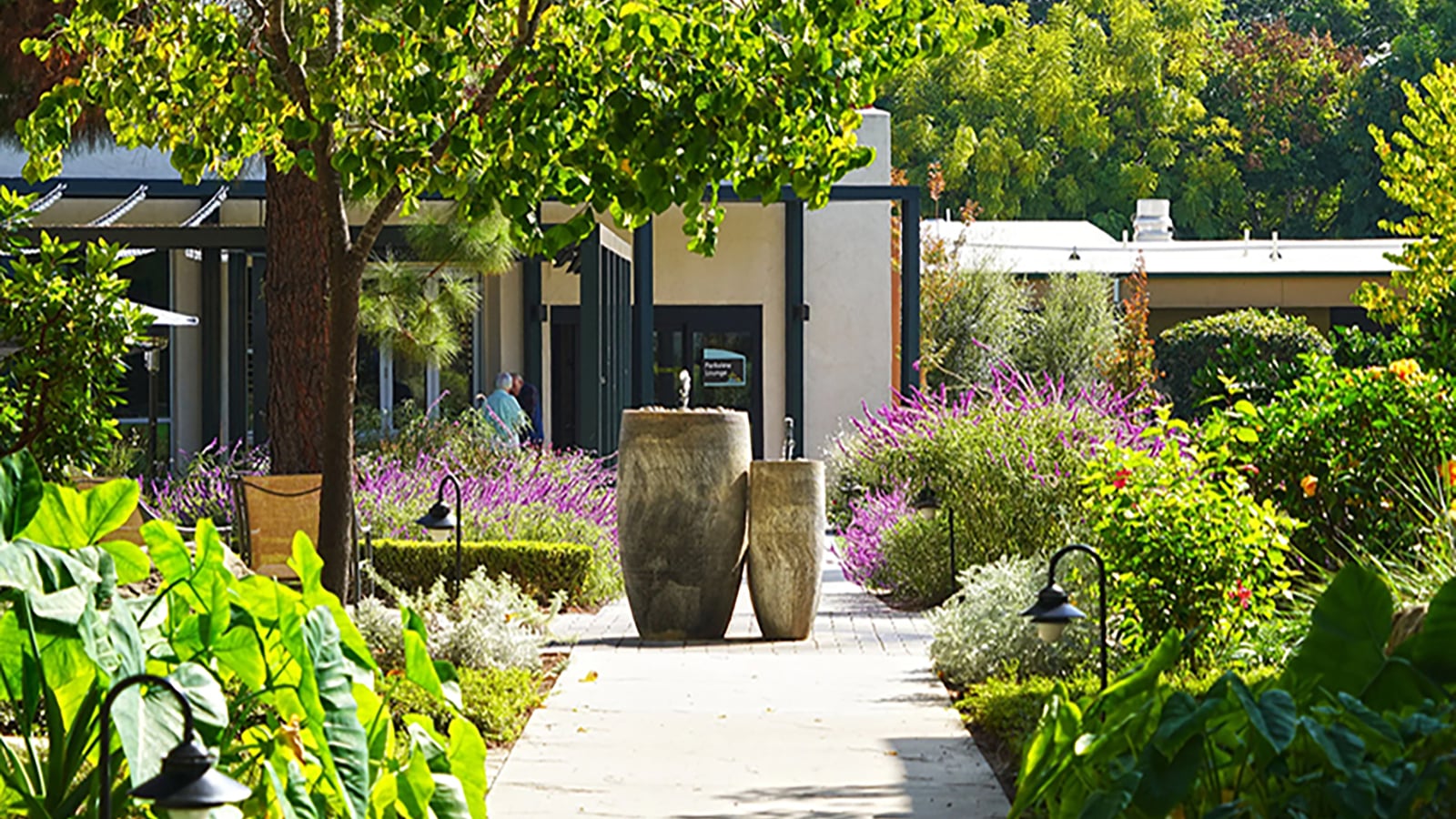
He outlined several considerations for developers and owners. Different levels of care call for different design responses, with assisted living requiring strong accessibility, visibility and ease of movement, while memory care must address sensory experiences and closely managed access. Across property types, he identified a strong connection to nature and a clear, inviting physical link between interior and exterior spaces as core design principles.
Climate adaptability is also critical. McCullough recommended planning for year-round use through active systems such as heat lamps, fans, misters and fire features, while recognizing that these can carry higher maintenance needs. He contrasted these with more passive, low-maintenance strategies, such as orienting spaces to prevailing winds or using deciduous trees that provide shade in summer and allow sun in winter.
Looking ahead, McCullough observed that senior housing developers are placing greater emphasis on intentional, integrated outdoor environments that support daily life rather than serving as ancillary features. He described exterior areas as essential infrastructure for senior housing, with the potential to improve quality of life, support physical and mental health and foster a stronger sense of community when they are planned and executed effectively.