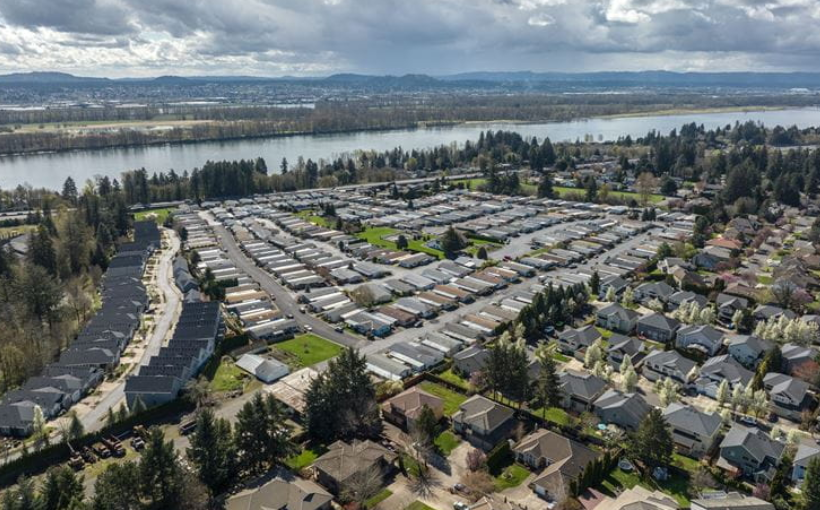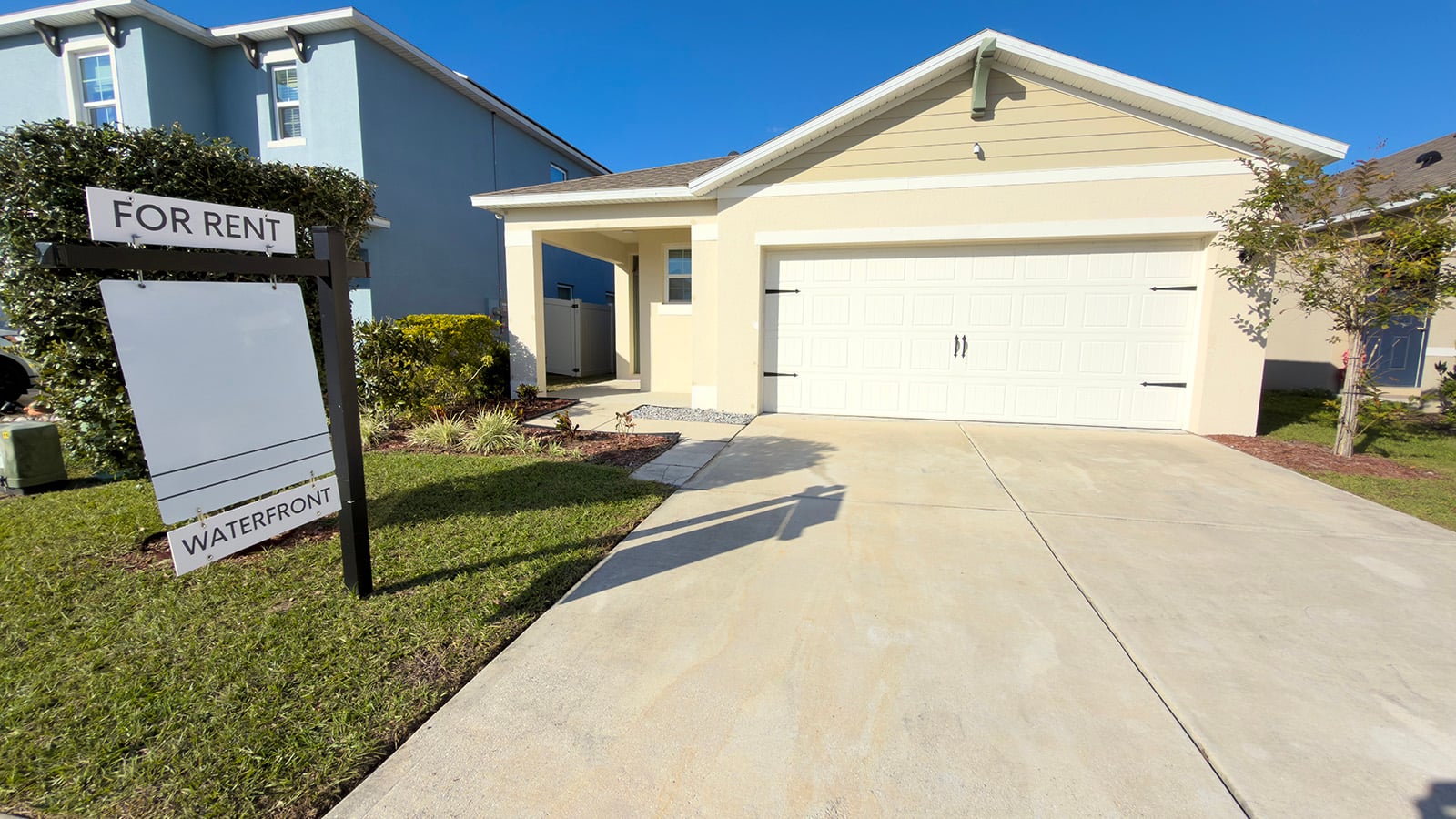
Amid headlines focused on mortgage costs and home price gains, Kiavi head of construction lending Tom Hallock describes a housing market that feels far more stable than the news cycle suggests. He characterizes current conditions as the most stable he has seen, even with volatility tied to the war in Iran and broader geopolitical uncertainty. While a few markets are oversupplied and 17 markets have effectively reset to 2019 levels, he notes that overall supply is adequate and buyers are returning with more choices than they have had in recent years.
Hallock points to public homebuilders pulling back from aggressive lot acquisitions as an important signal. Their reduced land buying has taken pressure off prices and eased the overhang of future supply, helping real prices move lower. He expects stabilization to be the defining story of 2026, with affordability gradually improving and more options coming to market than many participants anticipate.
Interest rates are another key stabilizer in Hallock’s view. He argues that today’s relatively steady rate environment allows buyers to enter transactions with greater confidence about their borrowing costs. He cautions that a sharp drop to roughly 5.5% would likely signal broader economic weakness, whereas a sustained range around 6% is constructive for housing. At the same time, he acknowledges a backdrop of uncertainty driven by tariffs, international conflicts and macroeconomic noise.
Within that environment, Hallock sees opportunity shifting toward small- and mid-sized builders and fix-and-flip investors. With large investment funds temporarily constrained by regulatory caution, he reports that Kiavi’s clients are facing less competition from all-cash buyers than in prior years. This reduction in the all-cash premium is changing bidding dynamics and giving smaller operators more room to compete for assets and projects.
On the regulatory front, Hallock addresses proposed federal legislation that would require Build-to-Rent properties to be sold after seven years and would limit institutional acquisition of existing homes. He notes that institutional investors currently control only about 1% of single-family housing and contends that restricting them does not remove demand, but instead shifts opportunity to local and mid-tier investors. He views the current debate as political noise that often precedes more pragmatic, supply-focused compromises.
Hallock expects policymakers to explore carve-outs for contiguous BTR communities, such as exemptions for projects with five or more units, in order to preserve the development pipeline while maintaining a populist narrative about large investors. He observes that markets are already beginning to price in this nuance. As pricing and rents realign, he says BTR economics are starting to work again, particularly for horizontal multifamily communities that combine single-story and two-story cottage-style units. These communities, which can be financed through Fannie Mae and Freddie Mac programs, are resonating with single women and young families who are not yet ready or able to purchase single-family homes.
Hallock’s overarching concern is that recent corrections in markets like Austin and parts of Florida, where supply briefly outpaced demand and prices fell, could sour sentiment toward new construction. He argues that lower prices are a feature, not a bug, of expanding supply and that pulling back on building would simply recreate scarcity and renewed price escalation. He is encouraged by state-level efforts to enable more density, a broader federal focus on housing affordability beyond traditional HUD channels, and the role private lenders can play in financing new supply. Taken together, these forces lead him to a constructive outlook on where the housing and BTR sectors are heading.