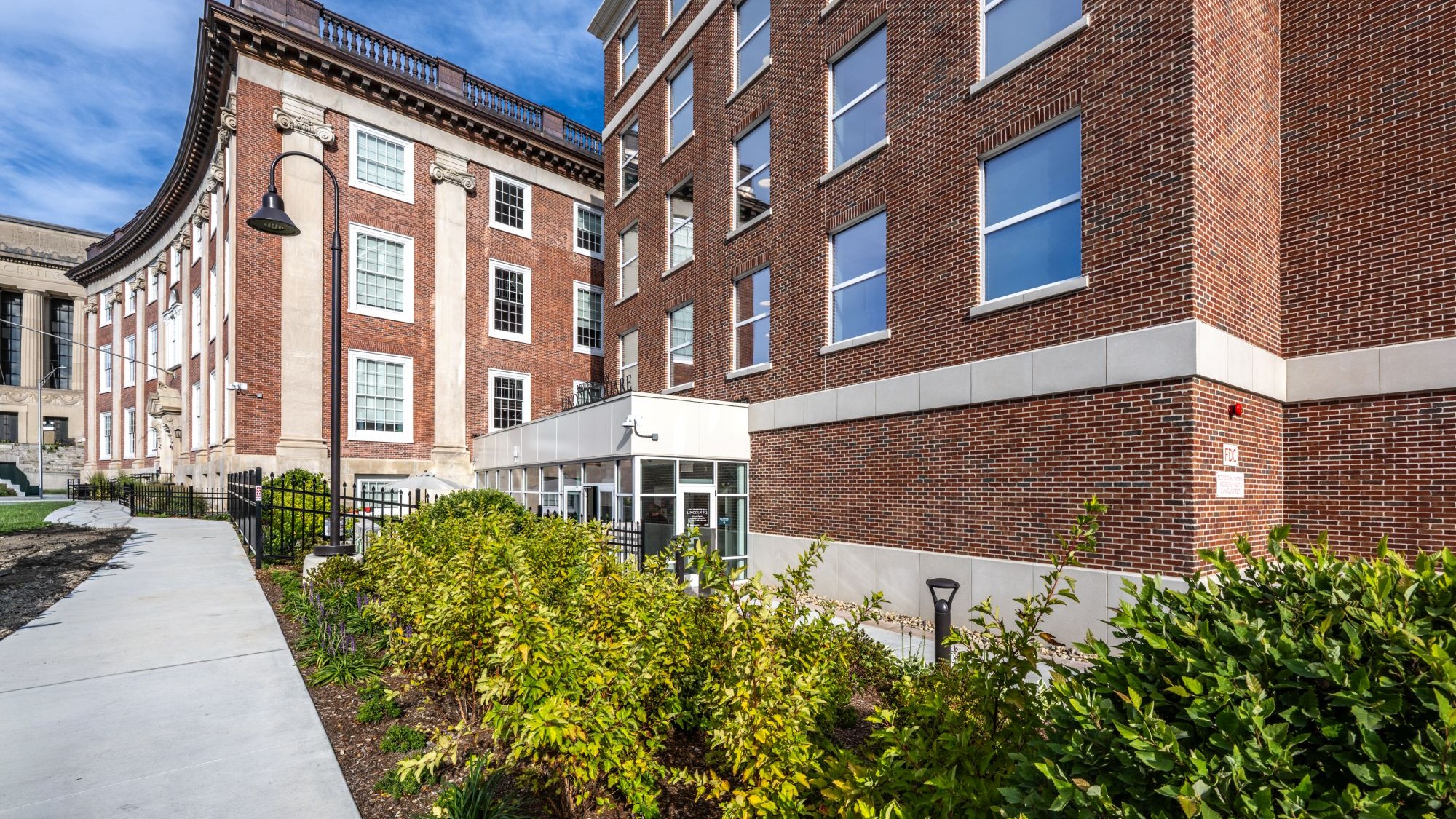

Levin Johnston of Marcus & Millichap has closed the sale of a recently redeveloped mixed-use property at 316 12th St. in Downtown Oakland. The transaction, totaling $8.1 million, involved a lender-controlled asset and was completed as a real estate owned (REO) sale. Levin Johnston represented the seller and also sourced the buyer for the property.
The asset consists of 27 apartment units positioned above two ground-level retail or office suites, creating a mixed-use configuration in the downtown core. According to executive managing director Adam Levin, the seller in this transaction was the original PACE loan lender, which had taken possession of the building following its extensive redevelopment.
Levin noted that the property had undergone a major transformation prior to the sale. It was converted from a two-story commercial structure into a five-story mixed-use building featuring apartment homes with modern, attractive in-unit amenities. The redevelopment effectively repositioned the property from a lower-density commercial use to a higher-density residential and retail or office combination.
Despite ongoing challenges in the Oakland market, which Levin described as being in a period of flux, the marketing process generated multiple competitive offers. He attributed the depth of bidding to how the opportunity was framed to investors, emphasizing both the discount to development cost and the underlying real estate fundamentals.
Levin highlighted that the sale price represented roughly one-third of the property’s over-$20-million development cost, positioning the offering as a chance to acquire a newly redeveloped asset at a significant basis reduction. This pricing dynamic was a key part of the investment thesis presented to prospective buyers.
In addition to the recent construction work and in-unit amenities, the property’s location was presented as a core part of its value proposition. The building is described as being close to major employers and key transportation corridors, as well as a range of shopping, dining, and entertainment options in Downtown Oakland. These locational attributes, combined with the recent redevelopment, were cited as central factors in generating investor interest.
The conclusion of this REO sale illustrates how capital tied to PACE-financed redevelopment can ultimately be recycled in the market, even amid local headwinds. For both the lender-seller and the buyer, the transaction reflects a reset in valuation relative to development cost, while placing a modernized mixed-use property into new ownership in the heart of Downtown Oakland.