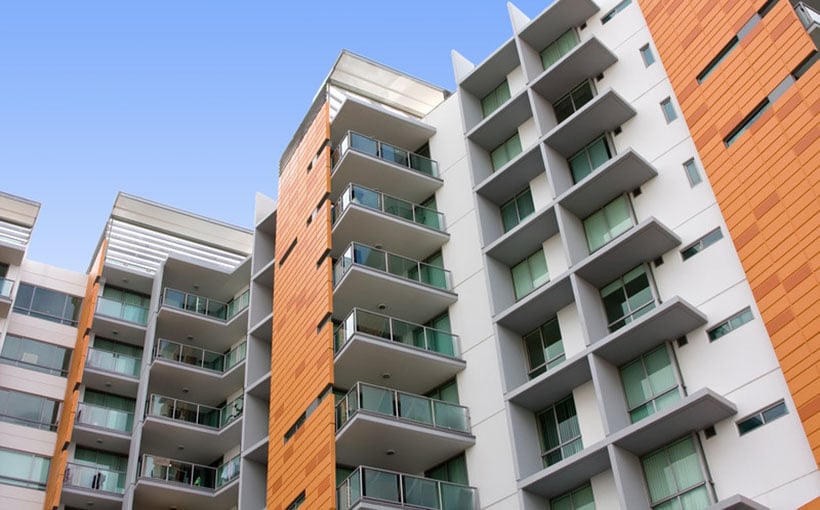
U.S. apartment rents posted a modest uptick in March 2026, extending a nascent recovery in the multifamily sector after a period of softening. New data from Apartment List shows national rents rising 0.5% for the month, marking a second straight monthly increase following six months of declines. Apartments.com reported a smaller but still positive move, with the U.S. average rent inching up to $1,723 in March, a 0.2% gain from February’s revised $1,719 level.
The March figures emerge during the early stages of the spring leasing season, a period when rent growth typically accelerates. This year’s pattern, however, appears more subdued. Apartments.com noted that monthly rent growth remained modest, indicating that the usual seasonal momentum is developing more slowly than in prior years. The platform observed that rent trends have generally stabilized since late 2025, even as market fundamentals lack the strength needed to push rents sharply higher at the national level.
According to commentary from Apartments.com, supply and demand dynamics continue to shape pricing outcomes. The firm cited ongoing supply conditions, coupled with more measured demand growth, as key factors restraining national rent momentum. This balance is keeping month-over-month gains positive but limited, reinforcing a narrative of steady rather than robust growth for U.S. apartments heading into the peak leasing period.
Regionally, all five U.S. regions recorded month-over-month rent increases in March, underscoring the breadth, if not the strength, of the current improvement. The Midwest and Mountain regions led the way on a monthly basis, reflecting comparatively stronger short-term performance in those parts of the country. However, the picture is more mixed when viewed on a year-over-year basis, with results diverging by region.
Apartments.com reported that the Midwest delivered the strongest annual rent growth, with year-over-year gains of 1.9%. The Northeast followed with 1.0% growth, while the Pacific region posted a 0.7% annual increase. In contrast, both the South and the Mountain region saw rents decline compared with a year earlier, with year-over-year drops of 1.3% and 2.2%, respectively. Taken together, the data points to a multifamily market that has moved past the sharpest phase of rent declines but remains constrained by ample supply and tempered demand across much of the country.