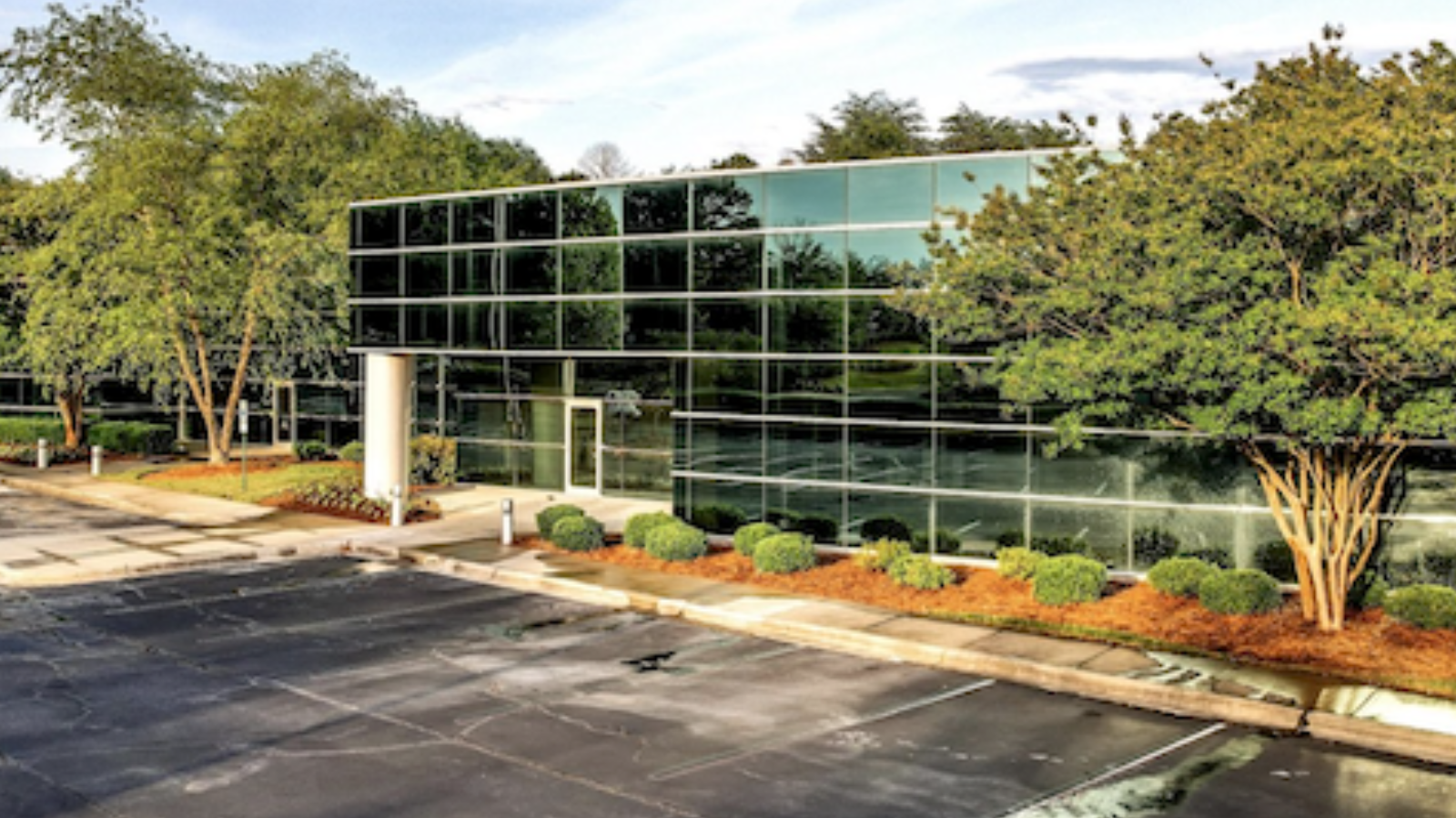
Smaller industrial users are increasingly competing for shallow-bay warehouse space, and available options are not keeping pace. CBRE reports that demand from occupiers seeking buildings under 50,000 square feet with clear heights between 14 and 28 feet is now exceeding supply, in contrast to the big-box segment where new development has been more active in recent years.
According to CBRE’s Shallow Bay Industrial Brief, the supply of shallow-bay properties has expanded only modestly over the past several development cycles. As a result, many markets are left with mostly older product and only a limited pipeline of new construction. This imbalance between robust user demand and a slow-growing inventory base is shaping conditions across the shallow-bay segment.
The age profile of existing shallow-bay stock underscores this dynamic. More than 80% of shallow-bay industrial inventory was delivered before 2000, CBRE notes, and nearly half of all buildings in this category were constructed before 1980. Only 5% of current shallow-bay space has been completed since 2010, highlighting how little modern product has been added over the past decade and a half.
CBRE attributes the aging nature of this inventory in part to the economic challenges of developing shallow-bay projects in major markets. While large-format distribution centers have scaled up significantly, shallower assets aimed at smaller tenants have not enjoyed the same volume of new construction, despite solid occupier interest.
On the demand side, vacancy trends illustrate how tight shallow-bay conditions have become. CBRE reports that shallow-bay vacancy rates began to fall below the broader industrial vacancy rate in 2017 and have remained lower ever since. The firm links this outperformance to growing demand for smaller-format space from service-oriented users and last-mile distribution operations that need proximity to customers as well as flexible, functional layouts.
As of 2024, shallow-bay vacancy sat 2.5 percentage points below the overall industrial vacancy rate, according to CBRE. This spread reflects sustained leasing momentum in the shallow-bay segment even as broader industrial markets have seen more normalization following the rapid expansion of the prior decade. With demand healthy and new supply constrained, market participants focused on shallow-bay properties face an environment defined by tight availability, older building stock, and a limited share of newly delivered space.