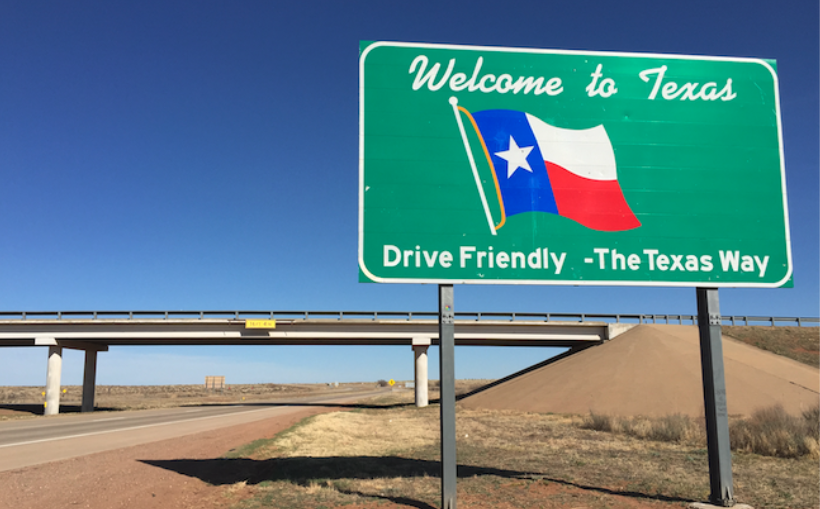
Texas continues to attract more new residents than any other state, even as overall interstate migration slows across the country. A recent analysis by StorageCafe, using the latest U.S. Census Bureau data, confirms that Texas remained the nation’s leading destination for domestic movers in 2024.
The report finds that Texas recorded a net gain of 76,000 residents in 2024 from interstate migration. This positive inflow comes despite a broader national cooldown, with interstate migration activity falling to its lowest level in a decade. StorageCafe notes that Texas’s move-in gains have been cut roughly in half from the prior year, yet the state still holds a clear lead over other destinations.
California remains the single largest feeder state for Texas. The California-to-Texas migration stream is identified as the biggest state-to-state corridor in the country, underscoring the scale of the population shift between the two states. This flow continues to influence growth trajectories in multiple parts of Texas, particularly in large metropolitan areas such as Dallas-Fort Worth.
On a daily basis, the data shows that an average of 210 Californians relocated to Texas in 2024. That steady, high-volume movement reinforces Texas’s position as a preferred destination for residents seeking a different cost structure and lifestyle without leaving the United States.
Relative housing costs appear to be a key driver behind the migration pattern. According to StorageCafe’s analysis, home values in Texas are 59% lower than in California, and residential rents in Texas are 30% lower than those in California. For many relocating households, those differentials meaningfully change the affordability equation, especially for renters and buyers coming from high-cost coastal markets.
These price gaps, combined with Texas’s ongoing net in-migration, continue to shape demographic and housing demand trends in major metros. As California sends more residents to Texas than any other state, the resulting population gains are particularly visible in fast-growing markets like Dallas-Fort Worth, where new arrivals help sustain demand for both for-sale housing and rentals.
While the national slowdown in interstate moves suggests that migration-driven growth is moderating compared to recent peaks, the latest data indicates that Texas still outperforms other states on net inflows. With the California-to-Texas corridor remaining the country’s most active state-to-state route, the state’s role as a top destination for domestic migrants remains firmly in place for now.