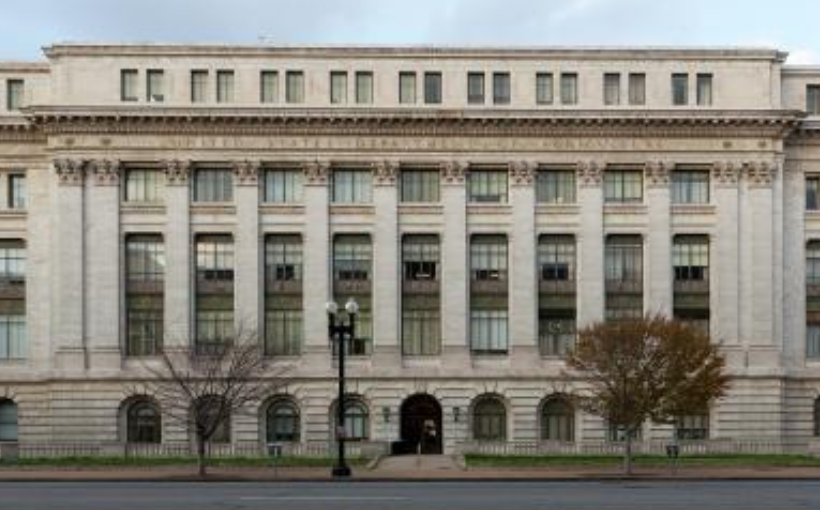
The U.S. Department of Agriculture (USDA) and the U.S. General Services Administration (GSA) have outlined plans to dispose of the USDA Agriculture South building in Washington, D.C. The property, described as a massive and older building, is largely vacant and has become a significant financial liability for taxpayers. As part of the disposition process, the flagship USDA asset will be turned over to GSA, which will be responsible for its sale.
The USDA framed the move as a cost-cutting measure within a broader effort to reduce expenses at the department. The Agriculture South building is reported to be more than 85 percent vacant, yet it carries a billion-dollar liability for taxpayers. By proceeding with a sale, federal officials aim to eliminate ongoing risk tied to the property and avoid an estimated $1.6 billion in delinquent maintenance costs that would otherwise be required to keep the building fully functional.
The building dates back to the 1930s, underscoring both its age and the scale of deferred maintenance challenges. Rather than continuing to hold the largely underutilized asset, the USDA has opted to consolidate and relocate its remaining workforce. According to the department, much of its staff currently based in the U.S. capital is expected to move into office hubs in North Carolina, Missouri, Indiana, Colorado and Utah. This relocation strategy reflects a shift away from a single large headquarters-style building toward a more distributed office footprint across multiple states.
The USDA decision comes amid a broader federal initiative led by GSA to shrink the government’s real estate footprint, particularly in the office sector. Last year, GSA announced a sweeping plan to downsize across hundreds of non-core government-owned buildings. That portfolio originally totaled approximately 80 million square feet and extended across most of the 50 states, with a notable concentration of properties in Washington, D.C. and the surrounding metro area.
The Agriculture South disposition is one example within that larger federal program targeting outdated or underused buildings for sale. By moving forward with this planned transaction, GSA and USDA are aligning with an ongoing policy push to rationalize space usage, reduce long-term liabilities and reallocate resources away from aging facilities that no longer match the agencies’ operational needs.