**Retail Industry Turns to Automation Amid Labor Shortages**
The retail industry has faced a host of challenges in recent years, ranging from pandemic-related shutdowns to shifting consumer spending habits. Today, retailers—from restaurants to big-box stores—are also grappling with the growing demand for on-demand service while contending with persistent labor shortages.
According to JLL’s recent report, “Going Labor Light: Designing a Tech Forward Format,” self-service technologies are offering a viable solution. While self-service still represents a small fraction of most retailers’ formats, JLL predicts that adoption will rise significantly over the next five years, primarily driven by ongoing workforce constraints.
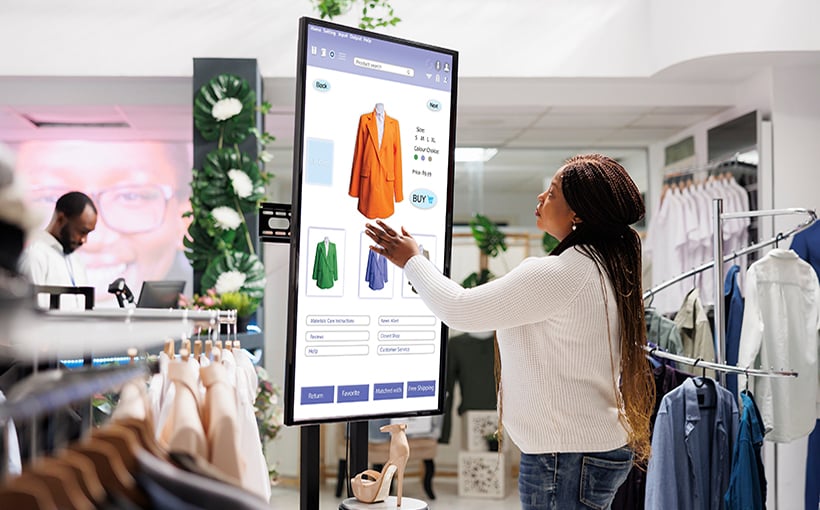
Self-service models rely on digital tools such as touchscreen kiosks and mobile apps, empowering customers to make purchases and complete transactions independently. Nevertheless, staff are still required to assist when needed and to help maintain operational efficiency.
The evolution of these technologies began in the restaurant sector and accelerated in 2020 following the outbreak of COVID-19, which spurred demand for online ordering and contactless service. Meanwhile, automation and robotics in broader retail environments initially started in warehouses, but are now making their way onto sales floors and into customer-facing roles. According to the report, this shift is enhancing the productivity of smaller labor teams and streamlining operations.
Examples of automation and AI integration in retail include:
– **Target**: Leveraging generative AI with its Store Companion chatbot
– **BJ’s Wholesale Club**: Utilizing “Tally,” a data-collecting robot that navigates store aisles
– **Walmart**: Expanding a drone-delivery pilot program across the Dallas-Fort Worth area
Looking ahead, the report suggests that brands will increasingly invest in automation technologies, including robotics, AI, and even quantum computing. These tools will enhance data collection, enable text-to-action shopping via AI-powered mobile apps, and automate repetitive or hazardous tasks.
Despite the rise in technology, the report emphasizes that the human touch remains essential. Physical retail stores must preserve the customer service aspect that sets them apart from e-commerce. “Even the most sophisticated technologies cannot fully replace employees without compromising the retail or restaurant experience,” the report concludes.
As the retail landscape continues to evolve, balancing technology with human interaction will be key to meeting consumer expectations and overcoming staffing challenges.