**RentCafe Report: Finding Apartment Units Remains Challenging Despite Increased Supply**
*By Veronica Grecu*
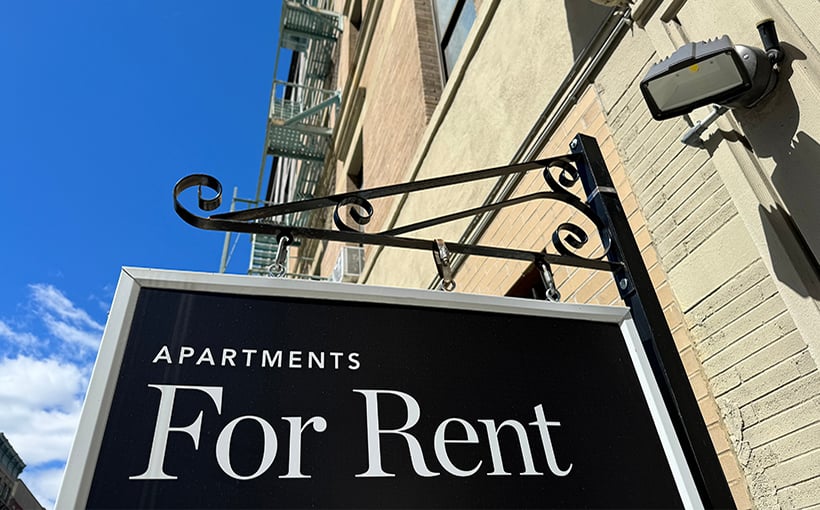
Despite a noticeable increase in multifamily housing supply, renters across the country continue to face significant challenges in securing available rental units. According to RentCafe’s year-end report, the Rental Competitiveness Index (RCI) rose to 75.2, up from 74.4 the previous year, signaling intensified competition in the rental market.
“One of the biggest factors driving rental competitiveness this year is the rise in lease renewal rates,” said Veronica Grecu, RentCafe’s senior creative writer and author of the report.
Grecu shared with Connect CRE that lease renewals increased year-over-year in nearly two-thirds of the 139 metropolitan areas analyzed. This rise in renewals, coupled with high occupancy levels, limited renter options and significantly tightened the competition for vacant units.
**Miami, FL: The Hottest Rental Market in the U.S.**
Leading the nation in rental market competition is Miami, FL. Formerly known primarily as a tourist destination, Miami has transformed into a major tech and finance hub, often dubbed “Silicon Beach.”
Grecu attributes Miami’s tight rental market to a trifecta of contributing factors: job opportunities, tax advantages, and an appealing lifestyle. This ongoing population influx increases pressure on the already strained rental market.
Although the city has welcomed many new luxury and Class A apartment deliveries, these units are often priced beyond the reach of average renters. “As a result, well-located, moderately priced apartments still receive multiple applications, keeping the overall market sizzling hot,” Grecu noted.
**Midwest Markets on the Rise**
Rental demand in the Midwest remains strong, driven by affordability and natural amenities. Grecu highlighted that major Midwestern cities are experiencing growing demand fueled by expanding sectors such as tech, manufacturing, logistics, healthcare, and renewable energy.
Chicago, IL, surged to the number two spot on RentCafe’s RCI list. Increased lease renewals and a decline in new housing deliveries have significantly tightened availability in the city. According to RentCafe, apartments in Chicago lease faster than in any other major metro area, with units snapping up within an average of 32 days.
Other highly competitive Midwestern markets include Milwaukee, WI; Grand Rapids, MI; and the suburban regions around Minneapolis and St. Paul, MN.
**Smaller Cities Face Their Own Struggles**
Smaller metro areas also made headlines in RentCafe’s report for their high rental demand and limited housing supply. Fayetteville, AR, emerged as the most competitive “small town” market in the U.S.
Properties in Fayetteville average just 22 days on the market before being leased, with 12 renters vying for every available unit. A contributing factor is the University of Arkansas, which draws a large and transient student population.
Grecu also emphasized the economic growth of the broader Northwest Arkansas region. With powerhouse employers like Walmart, Tyson Foods, and J.B. Hunt headquartered locally, the area continues to add jobs and attract new residents, further intensifying rental demand.
**Looking Ahead to 2026**
The forecast for 2026 suggests continued tightness in the rental market. RentCafe predicts that by early summer 2026, the renter-to-unit ratio will rise to 11 — the highest in recent years.
Grecu forewarned that renters in hot markets such as New York City’s boroughs — Manhattan, Brooklyn, and Queens — should prepare for more competition. Similar trends are expected in Midwest cities that combine job growth with cost-conscious lifestyles.
There may be a brief reprieve in the early months of 2026, with vacancies averaging 51 days. “This would give apartment hunters a brief window to find deals or rent specials,” Grecu said. However, she noted that by year’s end, that average could shrink to just 30 days as supply tightens further and demand remains high.
—
*Article originally published on ApartmentBuildings.com.*