**Technology: The Potential Key to Employee Engagement**
Technology has long played a central role in the workplace—whether through telephones, computers, or the advancement of artificial intelligence—consistently driving productivity gains. A recent report from CBRE, titled “Top 10 Technologies Needed for an Engaging Workplace Experience,” underscores that when implemented effectively, technology can also significantly boost employee engagement.
According to the report, 70% of corporate real estate leaders are leveraging their technology strategies to stay ahead of key workplace technology trends. Here are a few notable examples and recommendations from the study:
**High-Resolution Displays to Improve Collaboration**
The hybrid and remote work model has heightened the need for high-quality visual tools. Organizations are turning to ultra-wide, high-resolution 8K Micro-LED video walls that offer detailed and scalable visuals. These displays enable real-time participation and content sharing among distributed teams, bridging the gap between in-person and remote employees.
*Recommendation:* Companies should consider integrating more dual-screen setups or transitioning to 21:9 ultrawide display formats to enhance collaboration in both physical and virtual workspaces.
**Curation Experiences for Positive Outcomes**
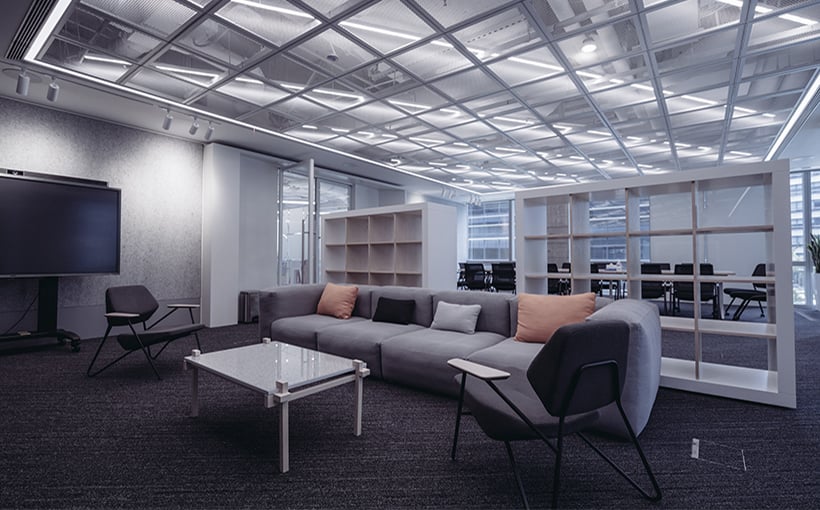
The traditional office filled with rows of desks is increasingly being replaced by more dynamic, hospitality-driven environments. These new spaces may include amenities such as concierge apps, in-house catering, collaboration lounges, and more. According to the report, spaces designed with the user experience in mind have a magnetic effect on attracting talent.
*Recommendation:* Organizations should intentionally design spaces that foster both digital and analog engagement, from immersive entryways to interactive zones that encourage connection and creativity.
**Data as a Foundation for Actions**
Access to data is now more widespread than ever, offering insights into everything from workforce behavior and productivity to building performance. Workplaces that maximize the use of this intelligence are better positioned to synchronize space management, performance metrics, and overarching business goals.
*Recommendation:* Employ occupancy and space utilization data to guide operational decision-making. When combined with smart building technologies and advanced network infrastructures, these data streams can deliver actionable insights that align with wider business objectives.
As the workplace continues to evolve, technology remains a central lever not just for functionality and efficiency, but for creating deeply engaging environments where employees can thrive.