**University-Anchored Innovation Districts and CRE Opportunities**
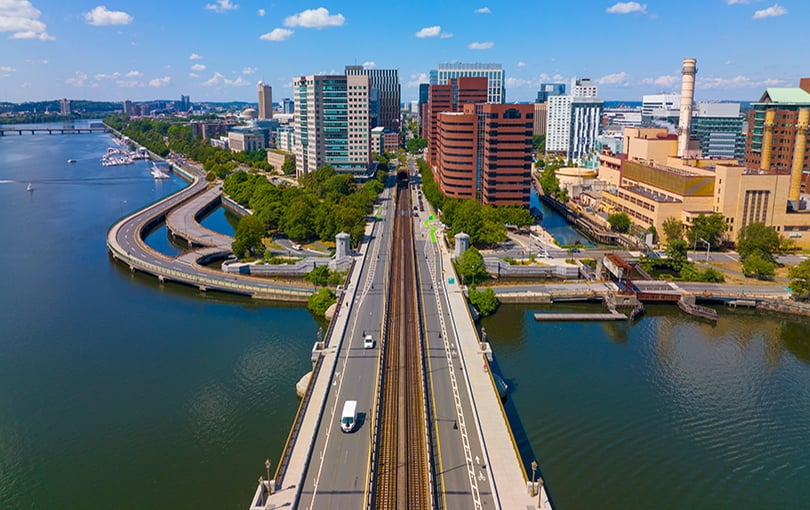
*Pictured: Kendall Square, Cambridge, MA*
*Emily Crutcher*
The traditional university or college campus typically consists of educational buildings, student dormitories, and—depending on athletic programs—field houses and sports facilities. However, according to the recent JLL report titled “University-Anchored Innovation Districts,” these areas have begun to transform into something much more dynamic and economically promising. The report positions university-anchored innovation districts as some of the most compelling and resilient real estate investment opportunities in today’s commercial landscape.
These districts are generally supported by prominent research institutions and, as a result, often experience higher rents and lower vacancy rates compared to their surrounding market areas.
**What Are University-Anchored Innovation Districts?**
Emily Crutcher, Senior Vice President of JLL’s Government and Education Division, describes a university-anchored innovation district as a geographically concentrated area designed to leverage a university’s research capabilities and talent to drive innovation-led economic development.
“These districts typically combine research facilities, startup incubators, corporate R&D centers, mixed-use development, and entrepreneurial support services within a concentrated area,” Crutcher explained.
The concept is not new. Stanford Research Park launched in 1951, and Kendall Square in Cambridge, Massachusetts, began evolving into a tech and research epicenter in the early 1960s. The creation of such districts, however, requires vision and time.
“University-anchored innovation districts may take decades to cultivate and grow,” noted Crutcher. Establishing one of these areas demands dedicated university leadership, multilevel government support, corporate partnerships, venture capital access, and often collaboration with local community colleges.
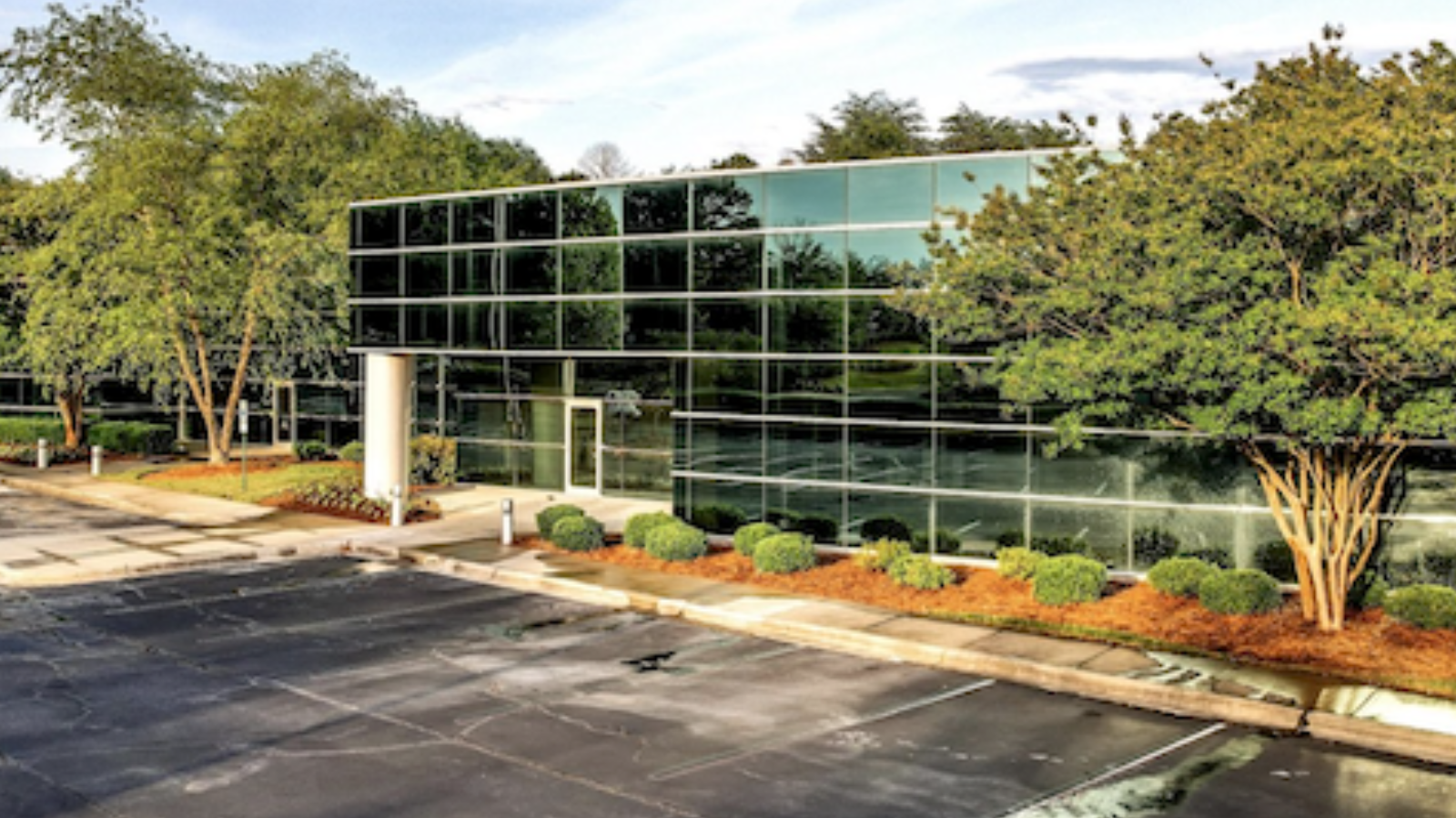
*Pictured: Part of Stanford Research Park*
**Benefits to Campuses and Developers**
According to the JLL report, university-anchored innovation districts offer several key advantages to both campuses and real estate developers:
– **Stable anchor tenants:** The presence of institutions and long-term players provides consistent demand that supports ongoing development.
– **Private-sector investment:** Startups, R&D activities, and commercialization of new technologies attract investment and propel economic growth.
– **Skilled talent pipeline:** The continuous output of STEM graduates and researchers ensures a well-educated workforce.
– **Mixed-use opportunities:** Integration of lab, office, residential, and retail space creates vibrant, self-sustaining ecosystems for tenants and stakeholders.
*Kendall Square*
Tenant mix in these innovation districts isn’t confined to life sciences or biotech firms. Crutcher emphasized that tenants are often aligned with the university’s specific research focuses. For instance, a district near a university with a leading agricultural sciences college may attract USDA agencies, multinational agri-tech firms, startups in agricultural innovation, and veterinary medicine spinouts.
**Implications for Commercial Real Estate (CRE) Investors**
Though not traditionally a core segment for CRE investors, university-anchored innovation districts can outperform their broader markets in terms of both vacancy rates and rental income. Crutcher notes that these areas benefit from the “stickiness” of a university’s innovation ecosystem, which supports and grows a robust tenant base over time.
However, before committing capital to a university-anchored district, the JLL report recommends the following strategies:
– Focus on submarkets that already have an established university-anchored innovation district, which typically exhibit resilience during economic downturns.
– Embrace long-term investment strategies that capitalize on the steady inflow of STEM talent and ongoing technology commercialization.
– Target flexible and mixed-use spaces to accommodate startups, research institutions, and mature companies that benefit from collaborative ecosystems.
Crutcher also stressed that the success of these districts is tied to how effectively they are positioned as engines of local economic development. Those that enhance commercialization pathways tend to gain broader community and investor support.
As commercial real estate investors and developers look toward future-proofing their assets, university-anchored innovation districts offer a sustainable path forward—both economically and socially.