**The Growing Affordability Gap Between Renters and Homeowners**
It’s no surprise that homeowner affordability continues to decline across the country. This trend has been acknowledged by both the National Association of Realtors and the Joint Center for Housing Studies of Harvard University. Now, CBRE has added to the conversation with its latest report, “Fewer Renter Households Can Afford Homeownership,” painting a concerning picture of housing affordability in the U.S.
According to CBRE’s findings, approximately 1.8 million renter households are currently unable to afford a median-priced home in their respective markets. The key drivers identified are persistently high mortgage rates and sharp increases in home prices.
CBRE analyzed 69 major markets in its study. Among the standout regions with the largest affordability gaps are Boston and Washington, D.C., where a majority of renter households fall short of the financial means needed to purchase homes at median prices. Additionally, several Sunbelt markets that experienced population gains during the COVID-19 pandemic are also showing widened affordability gaps.
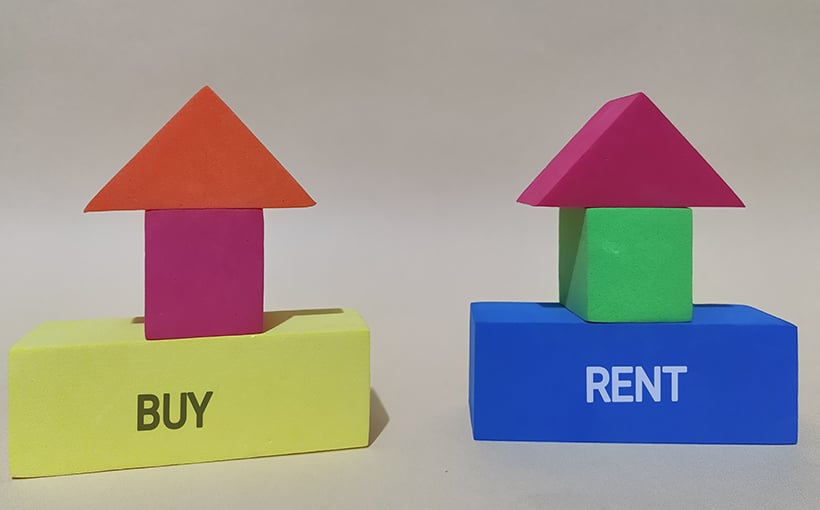
One of the report’s most striking perspectives relates to the growing premium associated with buying a home compared to renting one. For instance, in Orange County, California, the premium required to cover a monthly mortgage payment reached 303% in Q2 2025, up significantly from 160% in 2019. Meanwhile, cities like Austin and Los Angeles have also seen substantial rises in mortgage premiums. Other cities such as San Francisco and Chicago have experienced relatively stable premiums since 2019.
This situation, while challenging for aspiring homeowners, may present opportunities for the multifamily rental market. CBRE forecasts that multifamily occupancy rates will remain above historical averages for the foreseeable future. Additionally, this continuing affordability gap is likely to place upward pressure on near-term rent growth as supply and demand in the multifamily sector work toward equilibrium.
With home prices and mortgage rates showing little sign of decline in the near term, the growing divide between renters and homeownership will remain a key issue for both policymakers and real estate stakeholders.