**Industrial Real Estate Decisions Constrained by Land Scarcity**
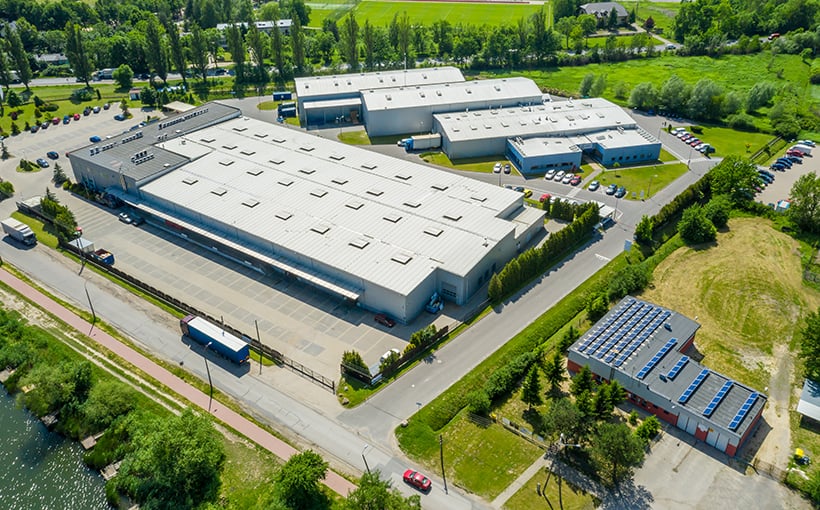
Despite rising vacancy rates and a slowdown in absorption, demand for industrial real estate—particularly in sectors like logistics, manufacturing, and e-commerce—continues its upward trajectory. In response to these shifts, both developers and investors are increasingly turning their attention toward constructing larger facilities.
However, the expansion of such large-scale industrial properties faces a significant hurdle: the availability of developable land. According to a recent report by JLL titled *How Land Scarcity Impacts Industrial Real Estate Decisions*, the scarcity of suitable land is a major constraint in industrial real estate growth. Sharon Wortmann, JLL Managing Director and the report’s author, explains, “Land scarcity is influencing leasing decisions for industrial and logistics companies because of the very real financial and operational impacts that result from it.”
### Key Challenges Impacting Industrial Development
Wortmann outlines several critical factors driving the issue of land scarcity:
**Aging Inventory**
Much of the existing industrial infrastructure is aging, making it less efficient or suitable for modern needs. At the same time, market demand requires new, larger “mega-box” facilities. These larger developments tend to have the strongest pre-leasing performance—both in newly delivered properties and those under construction.
**Zoning Restrictions**
In many states, zoning laws restrict the amount of land available for industrial use. For instance, in California, SB 330 legislation hinders the rezoning of residential land for industrial development. Additionally, California’s recently enacted AB 98 imposes strict location, landscaping, and screening requirements on new industrial builds, further limiting options.
Scarce land doesn’t just restrict supply; it also affects financial performance. “Land pricing and rental rates are directly correlated, as are construction costs,” adds Wortmann. “In some markets, rents are currently down, construction pricing is up, and return on cost is increased—placing upward pressure on yields and downward pressure on land prices.”
### Potential Solutions: Rethinking Industrial Strategy
To navigate these constraints, Wortmann advises that developers and investors adjust their strategies, particularly in land-constrained markets. She offers several suggestions:
– **Repurpose Undervalued Assets**
Adaptive reuse of underutilized retail, office, and manufacturing sites can provide viable solutions for logistics space.
– **Vertical Development**
Multistory warehouses and vertical builds are alternatives in dense urban settings. While more expensive to construct, these projects can help offset land limitations, though they often require higher rents to justify costs.
– **Data-Driven, Long-Term Planning**
Developers should incorporate robust data analysis and a forward-looking perspective when evaluating lease renewals, land acquisitions, or build-to-suit opportunities.
Finally, Wortmann stresses the value of leveraging third-party expertise for navigating land-scarce environments. Collaboration with real estate advisors, architects, land-use attorneys, and land consultants can lead to better-informed decisions and optimized strategies.
Land scarcity may be reshaping the industrial real estate playing field, but with adaptive thinking and strategic collaboration, developers and investors can still capitalize on growing demand.