**Healthcare Real Estate Shines Thanks to Fundamentals**
Healthcare real estate continues to demonstrate resilience amid broader economic volatility, with sector fundamentals and demographic shifts supporting steady, long-term growth.
Alex Browne, National Healthcare & Life Sciences Research Director at Transwestern, notes that healthcare real estate has remained “exceptionally strong in recent years,” citing the aging U.S. population and an industry-wide shift toward value-based and outpatient care.
### Key Market Metrics
Transwestern’s Q2 2025 Medical Office report highlights the sector’s performance:
– **12-month net absorption**: 7.4 million square feet
– **Vacancy rate**: 5.8%, marking a 20 basis point year-over-year decline
– **Average asking rent**: $22.64 per square foot, a 1.4% increase from the prior year
– **Space under construction**: 11.1 million square feet
According to the report, healthcare employment continues to rise, while the amount of healthcare real estate under construction has dropped 50% in five years. This imbalance has led many tenants to remain in their current spaces, limiting vacancy and supporting rent growth.
### Driving Fundamentals
One of the strongest tailwinds for the sector is demographic. Browne points out that by 2040, Americans over the age of 65 are expected to number more than 83 million—approximately 25% of the total U.S. population. This segment is responsible for nearly half of all healthcare spending, ensuring sustained demand for medical services—and the facilities that house them.
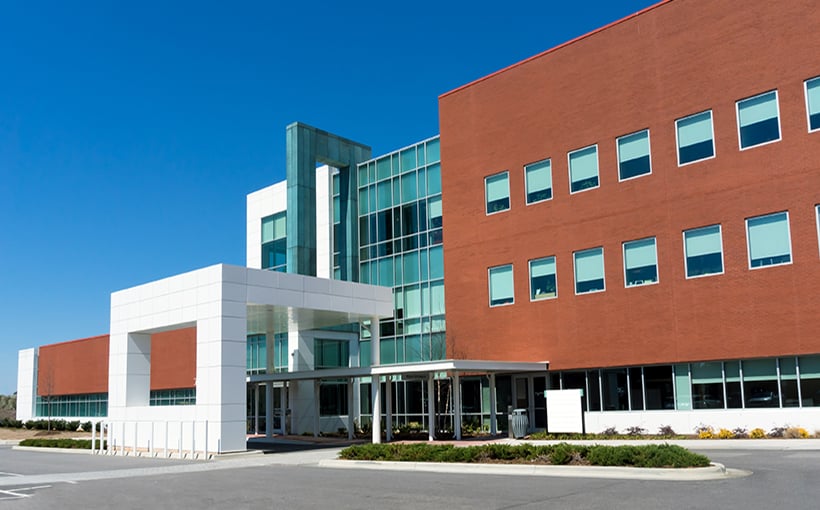
Additionally, healthcare is becoming increasingly outpatient-focused, boosting demand for medical outpatient buildings (MOBs). These properties tend to have strong, creditworthy tenants with low turnover, making them appealing to institutional investors.
“These assets benefit from long-term, creditworthy tenants and consistently low vacancy rates from sticky tenants,” said Browne. “These factors make MOBs attractive to institutional investors, which have been pivoting toward these assets.”
### Supply Constraints Maintain Balance
Even as demand remains robust, challenges such as rising interest rates, increased construction costs, and tighter lending practices are curbing speculative development. As a result, less new supply is coming online, helping to maintain a supply-demand equilibrium and support vacancy compression.
There’s also a noticeable divide in the type of MOB development occurring. Roughly 45% of current construction activity is focused on on-campus medical office buildings, which tend to offer higher rental building areas.
At the same time, suburban, retail-adjacent locations are rising in popularity—particularly among private practices and outpatient providers looking to position closer to residential neighborhoods and reduce barriers to care.
### Outlook Remains Positive
Looking ahead, Browne is optimistic about the next 12 to 18 months. He expects healthcare real estate to remain steady as “tailwinds overpower headwinds,” highlighting responsible development pipelines, strong pre-leasing activity, rising private investment, and sustained demand for medical services.
“The healthcare sector has helped boost employment growth, and is an overwhelmingly in-person type of profession,” Browne concluded. “These professionals are going to need medical buildings to work in and serve the ever-aging population.”
With favorable fundamentals and stable performance, healthcare real estate remains a bright spot within the broader commercial property market.