**Consumer Food Preferences Drive Real Estate Changes, Says CBRE Report**
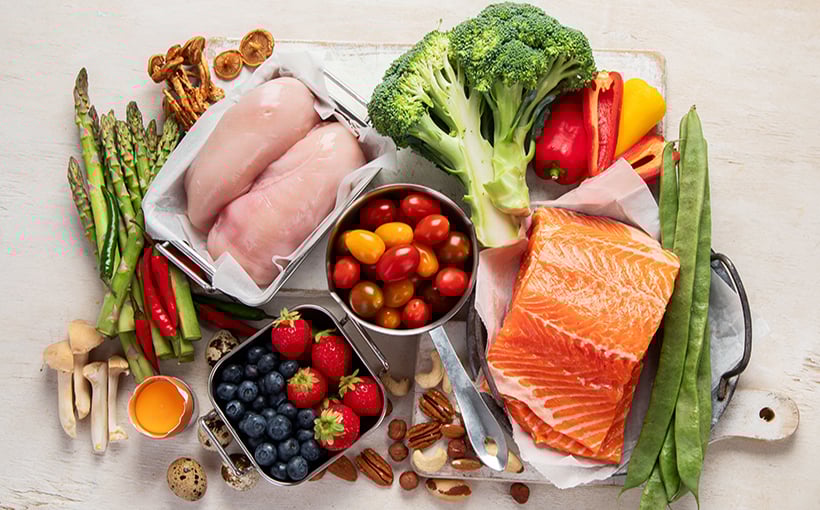
Health-conscious consumers are not only reshaping the food and beverage (F&B) landscape but also driving shifts in site selection, facility design, and utility demands, according to analysts from CBRE.
While the move toward sustainably sourced, natural ingredients and eco-friendly packaging has been underway for some time, CBRE’s latest analysis highlights how these preferences are now influencing the real estate strategies of F&B companies. The report points out that adjusting to consumer demand goes beyond selecting the right geographic locations—it calls for a comprehensive overhaul of operations and infrastructure.
**Powering Up for Healthier Production**
As companies expand their product lines to include healthier options, their production demands also grow. This increase requires significant power, yet many U.S. utilities are currently ill-equipped to scale up supply without stressing local power grids.
To meet these needs, large-scale manufacturers are conducting load and transmission studies well before construction begins. These studies help confirm that planned production sites will have sufficient energy resources from the outset, reducing risk and preventing costly delays.
**Securing Water Access**
Water scarcity in certain U.S. regions and the limited capacity of wastewater treatment systems are also creating roadblocks for food production. In response, companies are investing in innovative solutions like rainwater harvesting, freshwater recycling, and on-site or third-party desalination systems. These tactics are helping F&B firms maintain operations in water-restricted areas while aligning with sustainability goals.
**Adapting to Building Constraints**
Today’s facilities face limitations in accommodating the specialized requirements of healthier food production, particularly when it comes to manufacturing and cold storage space. Although developers are working to bring more suitable inventory to market, projects often require extensive capital and prolonged timelines—challenges compounded by tightening finance conditions.
To stay nimble, many companies are exploring build-to-suit options or retrofitting existing properties. Smaller facilities located closer to supply sources are becoming more common, helping reduce both delivery times and overall costs. Additionally, F&B firms are turning to third-party consultants to identify financing solutions and economic incentives that ease both upfront and recurring expenditures.
As consumer preferences continue shifting in favor of health and sustainability, CBRE analysts emphasize the importance of strategic planning and investment in infrastructure to remain competitive in an evolving market.