**Federal Reserve Holds Rates Steady Amid Emerging Internal Divisions**
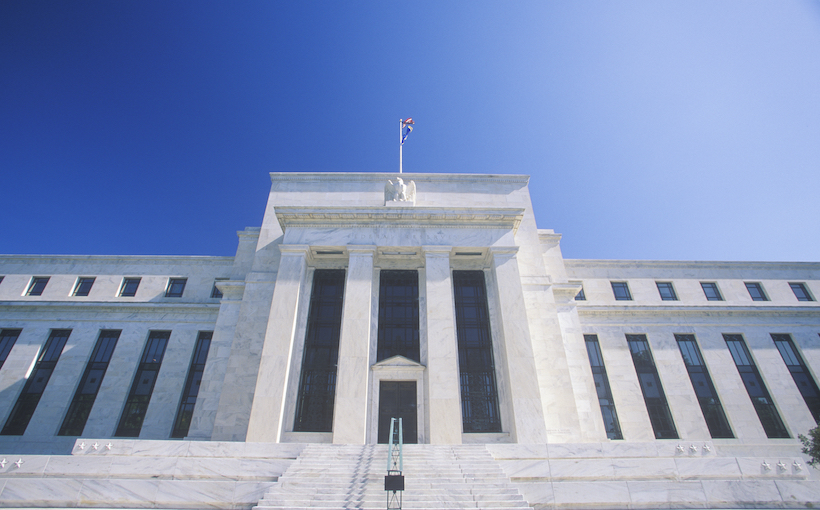
The Federal Reserve held its benchmark interest rate steady at 4.25%–4.50% during its July meeting, a move widely anticipated by markets. However, a notable development was the dissenting votes of Fed Governors Christopher Waller and Michelle Bowman, who favored a 25-basis-point rate cut. This marks the first double dissent from sitting governors since December 1993 under then-Chair Alan Greenspan, signaling emerging internal divisions on the trajectory of future monetary policy.
The rare split decision and the Fed’s acknowledgment that economic growth is “moderating” indicate a dovish shift in tone. Markets quickly adjusted expectations, with the CME FedWatch tool raising the probability of a September rate cut to 69%, up from 65% before the meeting. Optimism is building that rate cuts may materialize soon, particularly if inflation and labor market data continue to show signs of softening.
U.S. Treasury yields initially fell in response to the announcement, with the 10-year yield dipping to approximately 4.33%. Meanwhile, the U.S. dollar strengthened modestly, reflecting persistent uncertainty about the trajectory of interest rates and timing of potential cuts.
“The Fed is responding to an economy that is sending mixed signals on both the growth and inflation fronts,” said Bryan Jordan, Chief Strategist at Cycle Framework Insights. “The labor market narrative is far from clear-cut, as unemployment claims remain very low even as payroll growth is modest and confidence in job availability continues to fall.”
The Federal Open Market Committee’s post-meeting statement cited a moderation in economic activity during the first half of the year, while reiterating that labor market conditions remain strong and unemployment is still low. However, the Fed maintained a cautious tone given continued inflationary pressures and policy uncertainty—especially as incoming tariffs scheduled for August could further complicate the outlook.
“It remains a good bet that the Fed will resume the easing cycle before the end of the year,” added Jordan. “The economic backdrop hasn’t changed much since the FOMC projected 50 basis points of cuts in 2025, and rhetoric from several Fed officials has turned more dovish.”
As inflation continues to appear sticky and labor market indicators soften beneath the surface, the Fed is navigating a delicate balance: offering policy support without moving prematurely in the face of stubborn price pressures, many of which are being exacerbated by global trade dynamics.
Looking ahead to the Fed’s September meeting, many economists and investors see it as a pivotal point. “On balance, the economy and the underlying inflation trend still look to be slowly cooling. The Fed is tiptoeing back into this easing cycle, but lower rates are likely still on tap in the months ahead,” Jordan said.
For now, the Fed is holding steady. But the dual dissent at this meeting suggests that the threshold for rate cuts is edging closer—especially if economic data continues to point toward cooling growth and if any inflation arising from tariffs proves to be transitory.