**Survey Demonstrates a Shift in Investment Approaches**
*By Connect CRE Staff*

**Asaf Raz, Agora**
Over the past six months, market volatility and economic uncertainty have been constant features of the commercial real estate (CRE) landscape. Shifting trade policies and cautious business sentiments have significantly influenced investment decisions.
A recent real estate market sentiment report from Agora highlights the adjustments CRE investment firms are making in response to these challenges. Notably, capital raising remains a persistent obstacle in 2025, prompting many firms to revise their strategies.
### Key Findings from the Report:
– **49%** of respondents said they’re moving into new CRE asset classes, while **48%** are targeting new geographical regions.
– **84%** are prioritizing historically stable, income-producing asset classes, with **48%** indicating an opportunistic investment approach.
– **58%** are finding it more difficult to raise capital.
– **76%** noted rising concerns among investors regarding market volatility.
Asaf Raz, Vice President of Marketing at Agora, commented on the findings, noting that while the broader trends are not surprising, the scale of adaptation is noteworthy. “What did stand out was how quickly firms are ramping up investor communication,” he said. “More than one third said they are now sending weekly updates, which used to be a quarterly rhythm for most.”
### Adapting to Capital Constraints
To maintain liquidity, investment firms and general partners are exploring strategic financial adjustments. Raz explained that some are using partial refinancing or increasing preferred equity to release capital. Asset management is also playing a key role in keeping portfolios cash-flow positive—especially in anticipation of a potential recession.
“The groups that can quickly show real performance, down to the line item, are the ones unlocking liquidity first,” Raz explained.
### Communication Is Key
Investor communication is accelerating. Thirty-eight percent of firms are now issuing weekly updates to their investors, while 28% send monthly reports. Raz noted that in slower markets, quarterly updates were sufficient, but with economic conditions changing rapidly, real-time insights have become a priority.
### Additional Insights from the Report:
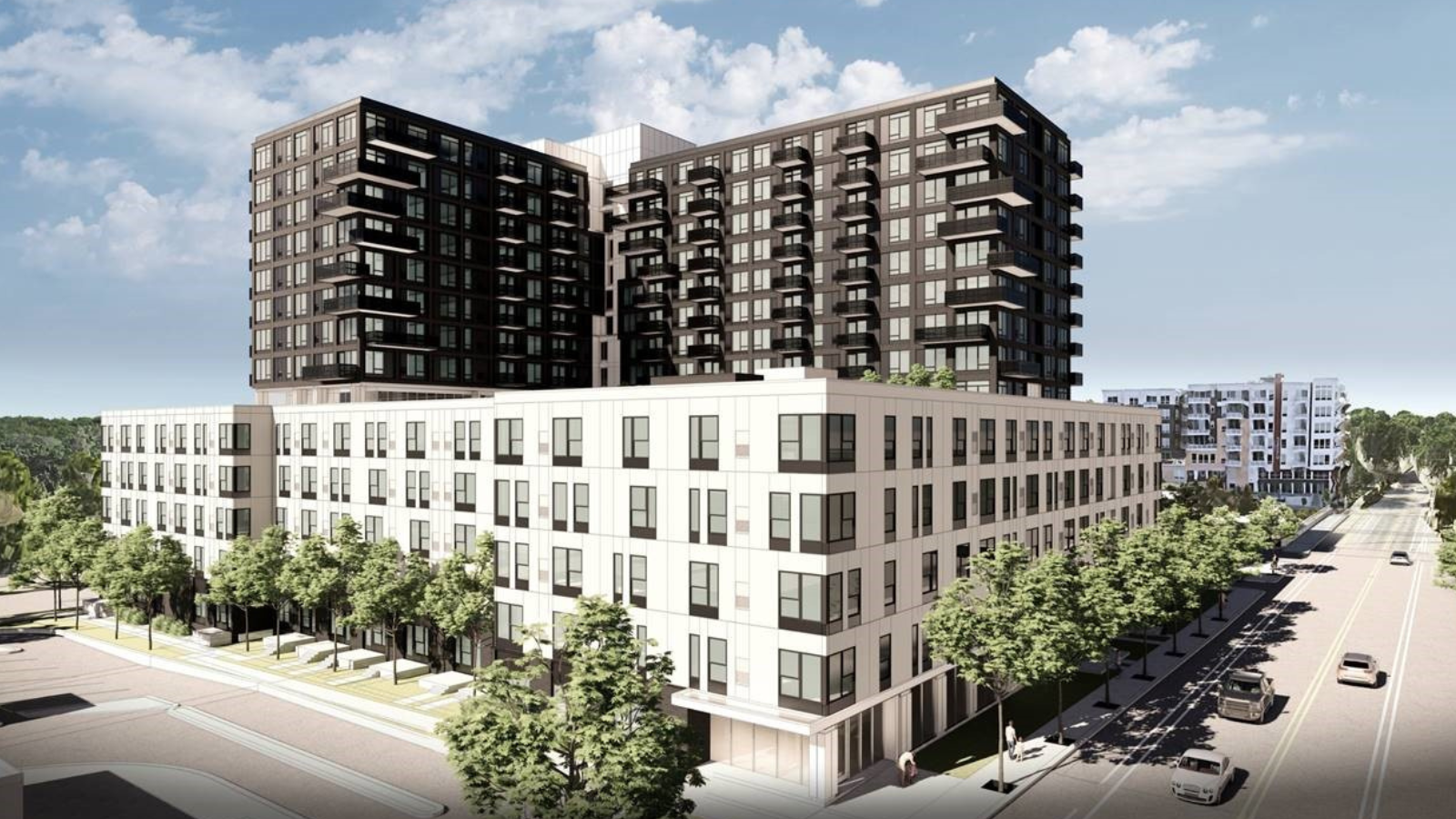
– **Multifamily leads asset preferences**, with mixed-use properties ranking second. Mixed-use properties provide diversification and are particularly effective in urban areas where convenience-focused living is in demand.
– **Sunbelt popularity is waning.** Once a hot spot for investment, only 2% of respondents are now targeting the Sunbelt, while 28% favor the broader Southeast region. “We’re seeing capital flow toward individual markets like Greenville, Huntsville, and Tampa rather than broad regional narratives,” Raz stated. Increased prices within the Sunbelt have reduced its overall investment appeal.
– **Ongoing uncertainty is the expectation.** Most respondents anticipate continued market instability for at least the next 13 months. This outlook is shaping both underwriting practices and investment strategies. Younger managers are proving more agile, quickly adopting new technologies and adjusting strategies. “The firms that lead into digital tools, especially for reporting and capital raising, will be in a stronger position when the market turns,” Raz added.
As the CRE sector navigates an evolving economic landscape, adaptability, transparency, and speed are emerging as crucial strengths for investment firms.