**Gaming and Hospitality Bankruptcies Cite Lingering Effects of Pandemic**
Recent bankruptcy filings by U.S. gaming, leisure, lodging, and restaurant (GLLR) companies reveal that the lingering effects of the COVID-19 pandemic continue to weigh heavily on financial performance, according to Fitch Ratings. The agency has added four new case studies to its existing compilation of 52 GLLR sector bankruptcies.
In addition to ongoing pandemic-related challenges, broader economic pressures have played a key role in triggering financial distress. These include increased labor and food costs, evolving consumer spending habits, persistently high interest rates, and intensifying competition. Companies such as Maverick Gaming, Blink Fitness, and Hornblower Holdings LLC have cited the prolonged impact of the pandemic as a major factor in their deteriorating operations.
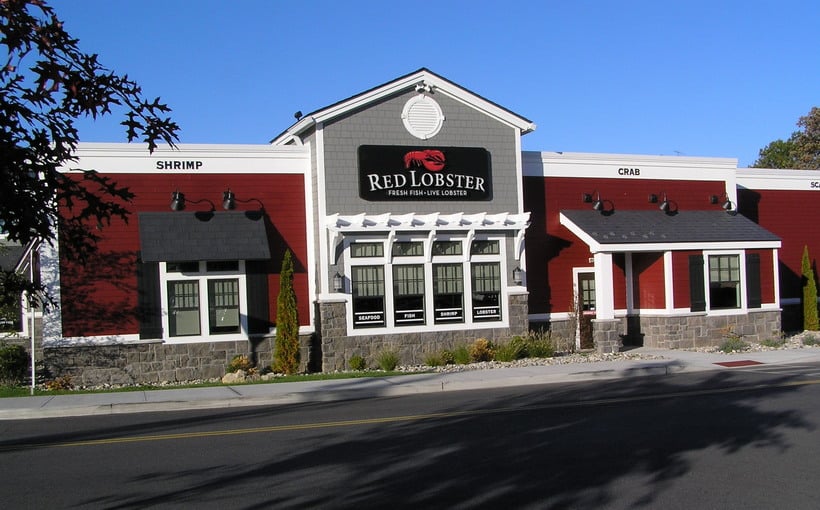
Within the restaurant sector specifically, bankruptcy proceedings under Chapter 11 are frequently used as a restructuring tool. Troubled chains often take this opportunity to shutter underperforming locations and renegotiate lease agreements to stabilize operations.
“Restaurant chains like Red Lobster and BurgerFi are shedding burdensome leases, securing economic concessions from landlords, and emerging with a smaller, more sustainable footprint,” said Joshua Clark, Director at Fitch Ratings.
Despite these challenges, the default rates for GLLR issuers have remained relatively low, staying under 0.5% since 2015. In contrast, leisure and entertainment-focused companies have experienced a higher default rate, currently at 2.3%.
“Of the 56 GLLR issuers we analyzed, 53 emerged as a going concern from bankruptcy,” Clark noted. “This includes 23 court-supervised sales of all assets or equity to third-party buyers who continued to operate the businesses.”
These findings highlight the resilience of the sector, even as it adjusts to a rapidly changing economic and consumer landscape.