**Multifamily Hotelization: Busting Myths, Supporting Realities**
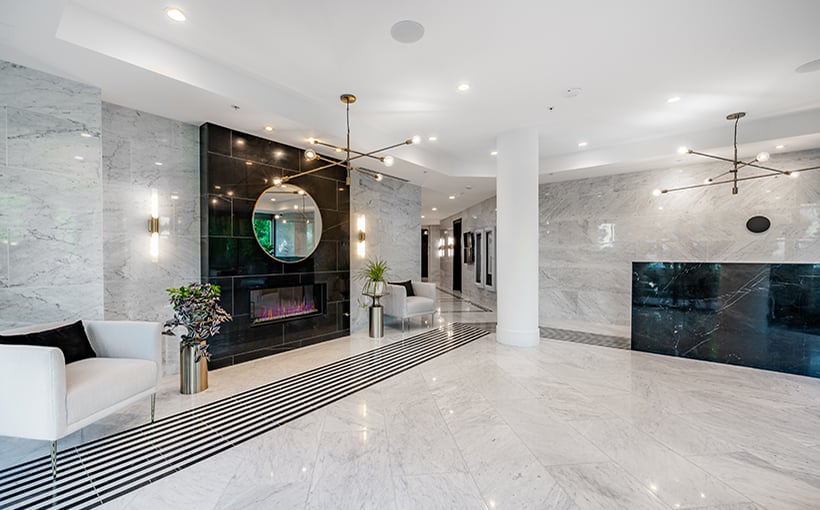
In recent years, many multifamily residential communities have started to mirror the experience of high-end hospitality properties. This emerging trend—commonly referred to as “hotelization”—goes far beyond stylish lobbies and rooftop lounges. But with its rising popularity, several misconceptions have emerged. To separate myth from reality, ApartmentBuildings.com connected with industry experts and explored what hotelization really means—and what it doesn’t.
—
### Myth #1: Hotelization Is Just a Fancy Word for More Amenities
While amenities like pools, fitness centers, and community lounges are part of the package, hotelization encompasses much more. At its core, it’s about service and experience—how residents interact with their building and how those spaces enhance their daily lives.
“Integrating health and wellness programs, embracing sustainable building practices, outdoor balconies, and versatile unit layouts for live-work flexibility are all a part of the experience,” said Bob Lisauskas, Principal at RDC.
Patti Higgins, Senior Vice President of Parktown Living, explained that at the heart of hotelization is emotional design. “These are people’s homes, not hotels. So it’s about designing environments that feel good emotionally, promote connection, and support lifestyle needs,” she said.
—
### Myth #2: It’s Too Expensive to Implement
It’s true that adopting hotel-like services and experiences can require capital investment. However, experts insist hotelization can be approached in scalable, cost-conscious ways.
“There are ways to implement features and services in a scaled, cost-effective manner,” said Higgins. She emphasized the importance of understanding renter demographics and tailoring offerings to those wants and needs as a way to keep costs manageable.
Peter Jones, Project Director with Project Management Advisors, added that centralized staffing models, partnerships with service providers, and tech-enabled platforms can significantly offset costs. “Over time, the benefits outweigh the costs,” he said. “We’ve seen these tactics drive faster lease-ups, stronger retention, and help justify premium rents.”
—
### Myth #3: Residents Don’t Care About These Features
Contrary to that belief, residents greatly value hotel-like services—especially if they’re done well.
“People today are looking for more than just four walls,” said Higgins. “They’re seeking community, convenience, and experiences that make daily life easier and more enjoyable.”
From on-demand services and communal workspaces to curated resident events and responsive front-desk support, the enhancements of hotelization can sway both prospective residents and long-term tenants weighing whether to renew.
“People want to feel like their building is more than just a place to sleep,” said Jones. “When done right, these extras become part of the lifestyle and identity of the building.”
—
### Myth #4: Hotelization Is Just a Temporary Trend
No, hotelization is not going away anytime soon. If anything, it’s evolving.
“Amenities and services aren’t fly-by-night ideas,” Lisauskas noted. “We’re seeing a trend in developing community centers, galleries, and maker spaces that bring the ‘city’ into the building.”
Higgins agreed, pointing out that the fundamentals of hotelization—service, convenience, and care—are timeless. “People have always valued service, convenience, and a sense of being cared for,” she said.
Jones added that developers are beginning to consider hotelization during the design phase of multifamily projects, not as a post-construction add-on. “Shared spaces and hospitality-style services aren’t just perks,” he said. “They’re essential to making living feel comfortable, connected, and worth the rent.”
—
As hotelization becomes a more permanent part of the multifamily landscape, its success depends on thoughtful execution. The goal isn’t to turn apartments into hotels—it’s to elevate the living experience to be more engaging, more personal, and more connected.
*This article was originally published on ApartmentBuildings.com.*